
General

The coronavirus pandemic has hit enterprises hard. Fortune reported that nearly 100,000 businesses that closed temporarily because of COVID-19 are now permanently out of business. It's been especially difficult for restaurants and the hospitality industry to do business during the pandemic. But while many establishments are closing their doors, many others are opening. With the right idea, it's possible to open a successful and thriving business during the COVID 19 era.
Read more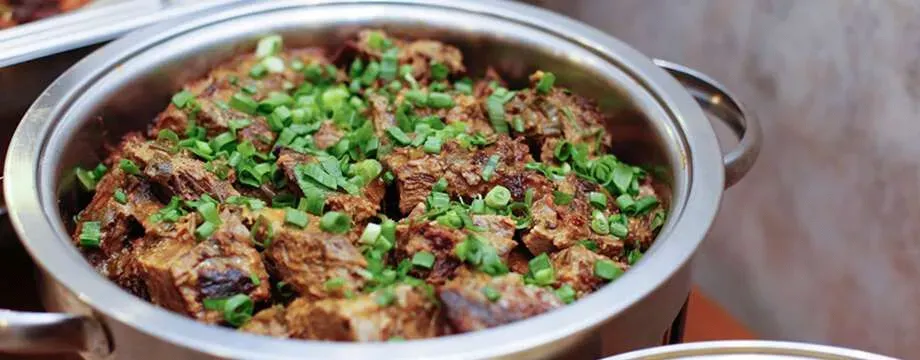
Top 6 Best Food Warmers
If you're serving food, you'll want a piece of industrial equipment to keep the food warm for hours. Soups, for example, are a good option for a commercial unit to keep desirable temperature and orders flowing smoothly.
Read more
9 Ways to Drive Sales During Seasonal Slumps
Unless you run a restaurant in a tourist trap that's jam-packed year-round, your establishment will go through a slow period every year. For many restaurants, the winter months are the slowest.
If you're looking for winter marketing ideas and tips on how to increase restaurant sales, you've come to the right place. Here are nine ways to drive sales during a seasonal slump.
Read more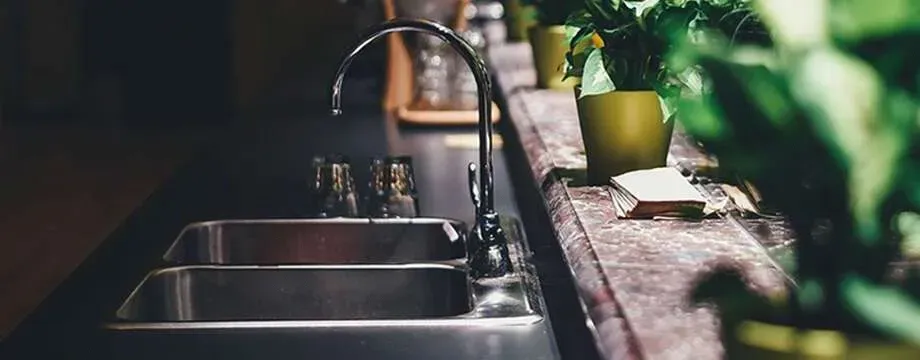
Choosing a Commercial Sink - Guide
A commercial sink will be in use daily in a restaurant. These sinks come in a variety of sizes, from a small commercial sink to a commercial triple sink. While the first-time owner may not put a lot of thought into their sinks, a seasoned restauranter will.
Read more
Top Restaurant Business Ideas For 2021
There's no question that the restaurant industry faced significant challenges in 2020 due to the coronavirus pandemic. As 2021 approaches, many restaurants will need to make plans to adapt to these ongoing challenges and changes. Not surprisingly, some of the top restaurant business ideas for the next year include expanded contactless pickup options, delivery and other ways to make diners feel safe.
Read more
What is the Best Hot Dog Roller Grill?
Want to sell the best hot dogs in town? A hot dog roller grill can help you sell large quantities of hot dogs. They're perfect for a large-scale hot dog vendor or even a small shop that sells snacks. Purchasing a grill is easy, but you need to know what to look for in each model.
Read more
Custom Promotional Products for Restaurants, Bars, and Cafe
Restaurants, bars, and cafes rely heavily on repeat customers. When you have repeat patrons coming in on a regular basis, you're able to cut back on marketing expenses and reap higher profits. It's also good for business to have steady money coming in week after week.
Read more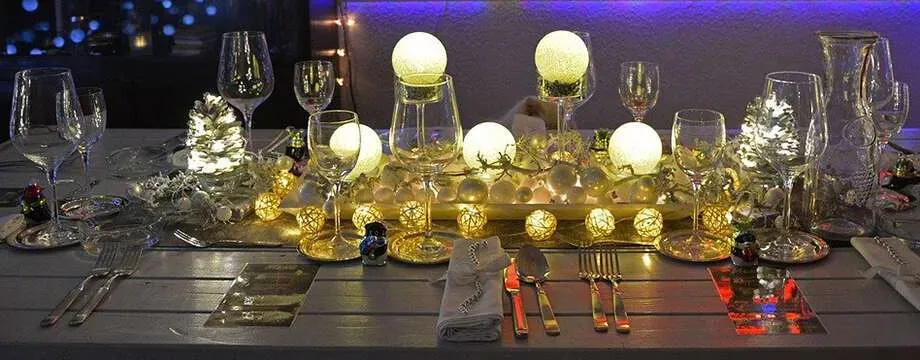
Christmas Promotions and Menu Ideas for Restaurants
Christmas promotion is a lot of fun and can be very lucrative, too. When you're trying to lure in customers or remain afloat during this trying time in the world, a few ideas can go a long way to generate sales.
Read more
How Do You Sanitize Restaurant Equipment? A Definitive Guide in 2020/2021
Restaurant equipment must be properly cleaned, especially in a world where COVID-19 can lead to a mass exodus of customers. You'll need a lot of cleaning chemicals and kitchen cleaning supplies to get started. You'll need a variety of items for sanitization, but the following is a good starting point.
Read more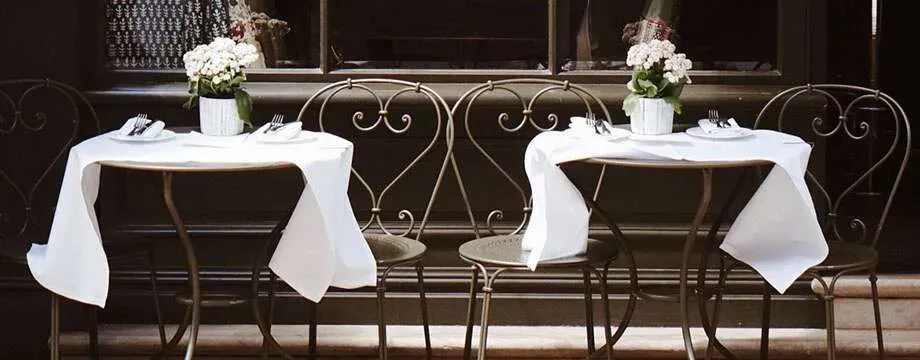
Outdoor Dining Ideas for Restaurants in the Era of COVID
The coronavirus pandemic has taken a toll on the restaurant industry, but outdoor seating may help many establishments keep their doors open. The right restaurant patio ideas and seating arrangements can help attract customers and ease their fears of restaurant dining.
Read more
Creative Holiday Table Decorations for Restaurants
Table decor is crucial for restaurants wishing to attract and retain customers. Creative and unique centerpieces and table settings can inspire a conversation and desire to come back. Below we will explore festive table setting ideas for restaurants and bars.
Read more
3 Quick Steps for Setting Up a Small Commercial Kitchen
Starting your own small commercial kitchen is exciting. You'll be helping fill a niche in your community - everyone has to eat - and you have the potential to become a vital cog in your community.
Read more
Sustainable Packaging: 6 Ideas Companies Should Embrace
Demand for eco-friendly food packaging is on the rise. In fact, research shows that two-thirds of consumers are willing to pay more money for sustainable items. In 2018 alone, sales were five times higher for food items sold in sustainable packaging compared to food sold in non-recyclable packages.
Read more
6 Cool Branding Ideas for Small Restaurants
Small restaurants have many advantages over big chains, but the primary advantage is having the freedom to form their own identities. Everything from the menu to the interior design is unique. But for a small restaurant to succeed, it needs strong, consistent branding.
Read more
9 Top Instagram Post Ideas for Restaurants to Grow Sales
One of the biggest challenges that restaurants face when marketing on Instagram is figuring out what to post. Content creation can be challenging, but the reward of greater sales and a bigger customer base makes it worth the effort. Here are some Instagram post ideas to help your restaurant grow sales.
Read more
6 Proven Methods to Write Great Menu Descriptions
Menu descriptions sell your food. When a plate of fettuccine passes a person who is seated and fills the air with the aroma of cheese and heavy cream, it can entice a customer to order the dish. But for most customers, food descriptions are what help them determine what dish to order.
But you're a chef or restaurant owner, so you might not spend your free time on writing and haven't learned how to write a menu with mouthwatering descriptions of food.
Read more
Supplies Checklist for Restaurants: What to Stock Up on for the COVID-19
As restaurants slowly start opening amid the coronavirus pandemic, it's important to make sure that your establishment is prepared. Cleaning, handwashing, and social distancing will play a fundamental role in a restaurant's day-to-day operations.
Read more
How to Increase Restaurant Sales: Strategies for Growth
The goal of any restaurant business is to achieve long-term growth. Realizing that growth is no easy task. It requires innovation, dedication, and the ability to capitalize on trends.
Read more
How COVID-19 is Impacting Restaurant Design
Restaurant policies are evolving and changing as a result of COVID-19. Every state has its own requirements that restaurants must adhere to, and social distancing is often being handled by strict controls on occupancy.
Read more
Help Make Your Restaurant Touchless With These 5 Hands-Free Solutions
Viruses spread easily, and as the COVID pandemic showed the world, there's a lot more that people can and should be doing to make their operations touchless. From automatic soap dispensers to infrared thermometers to check employee temperatures, you have a lot of options to make your restaurant hands-free.
Read more
6 Tips on How to Make a Right Choice When Buying Restaurant Kitchen Equipment
Restaurant kitchen equipment is expensive, and when making purchases, it's very easy to overpay. When residential homeowners purchase their kitchen appliances, there's always room to buy cheaper units without much concern. But restaurant cooking equipment needs to be durable and withstand continual use without breaking.
Read more
6 Hand Sanitation Tips to Protect Guests and Staff
As a restaurant owner or manager, it is your responsibility to outline and enforce handwashing procedures to ensure that your restaurant's cleanliness meets the appropriate standards. If staff fail to follow handwashing procedures, the risk of foodborne illness significantly increases.
Read more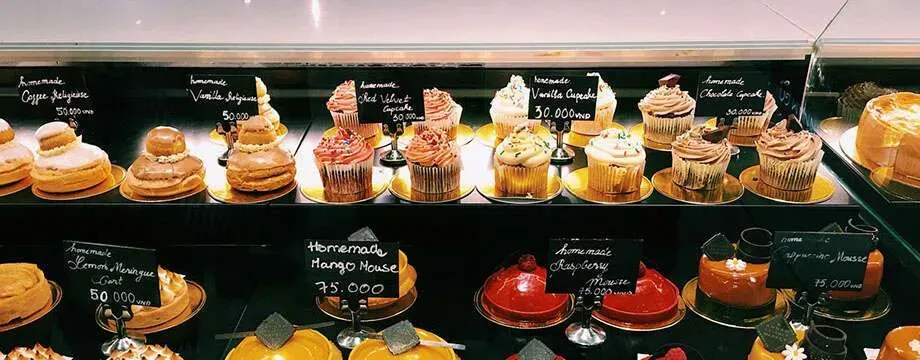
Basic Considerations When Choosing a Food Display Case
Display cases serve a variety of purposes. They entice customers to make a purchase, but they also make it easy to see what's available or grab the items they want. No matter what type of food service establishment you run, it's important to choose a showcase that will meet your needs, budget, and space.
Read more
Restaurant Signs: How to Make a Good Impression and Attract Customers
First impressions matter and your restaurant's first impression usually happens outside of the door. Restaurant signs allow you to make a first impression that can either lure a potential customer in your door or result in a customer walking by and going to another establishment.
Read more