
The restaurant industry is a major contributor to greenhouse gas emissions and food waste, but many in the industry are changing their practices to reduce their environmental impact. Sustainability restaurants are a growing part of the industry, and your establishment can join them by implementing these 10 practices.
1. Invest in Energy-Efficient Equipment
Replacing outdated equipment with new energy-efficient upgrades can help reduce your utility costs significantly. The new equipment will require an investment, but making the switch to more energy efficient units can save your restaurant thousands of dollars a year.
Choose Energy Star certified models to maximize your utility savings.
- Switching to an Energy Star certified water heater can save you $1,500 per year.
- Switching to an Energy Star certified dishwasher can also save $1,500 per year on average.
Using Energy Star certified equipment may also help you qualify for a rebate.
2. Reduce Your Water Consumption
Between dishwashing, cooking, and cleaning, restaurants use large amounts of water in their day-to-day operations. Fortunately, there are steps you can take to reduce your restaurant's water consumption and costs.
Fix leaking faucets. It's easy to overlook and forget about leaking faucets, but over time, even a minor leak can add up to high costs. Repairing these leaking faucets will stop water waste and lower your monthly water bill. Fixing a simple leak is a quick and easy process that most restaurant owners can handle on their own. But more complicated leaks may require the help of a professional plumber.
Install low-flow spray valves. Replacing your old pre-rinse spray valve with a newer model can help reduce your water consumption. Newer models have lower gallons per minute (GPM) ratings, and they're easy to replace.
Replace your aerators. Hand-washing sinks don't need to have a high GPM rating. A low-flow aerator will lower the flow and your GPM rating to save you money on water costs. Like low-flow spray valves, low-flow aerators are easy to install.

3. Use Eco-Friendly Food Packaging
Going green is more than just reducing your energy and water usage. It's also about reducing your environmental impact after your food has left your restaurant. What's the best way to do that? Invest in eco-friendly takeout containers.
Today's consumers are environmentally conscious and demand sustainable or biodegradable containers. Making smart decisions about your packaging can bolster your reputation as an eco restaurant and even boost your profits as you attract more customers.
Trade your plastic and Styrofoam containers for eco-friendly food containers. Your customers and the planet will thank you.
4. Choose Energy-Efficient Lighting
Lighting can be a major energy hog, especially in a restaurant. One of the most important sustainability and environmental best practices for restaurants is to replace old, inefficient lighting with new energy-efficient options.
Switching to energy-efficient lighting will reduce your energy costs and lower your environmental impact.
LED bulbs are a great option for energy savings. They use 85% less electricity than incandescent bulbs, and they last 10 times longer.
CFL bulbs are another option. Although not quite as energy-efficient, CFL bulbs still use far less energy than standard incandescent bulbs. One advantage they have over LED bulbs is that they produce more light. This makes CFL a good option for lighting large areas of your restaurant.
5. Minimize Food Waste
Eco-friendly restaurants understand that going green is not just about changing your equipment or lighting. It's also about minimizing your food waste. Restaurants in the U.S. waste 22-33 billion pounds of food each year.
Ingredients go bad and customers leave food piled on their plates. It's not easy to reduce your food waste, but it's not impossible.
- Reducing your portions can lower food waste from customers.
- Strict inventory management can help ensure that you only purchase the right amount of ingredients and that those ingredients are used before they spoil.
- Implement zero-waste cooking practices. Find creative ways to use up kitchen scraps, whether it's as a garnish or to make stock.
Reducing food waste will help you join the ranks of environmentally friendly restaurants that are attracting more environmentally-aware customers.
6. Lower Heat Usage and Ambient Temperatures
Along with lighting, heat accounts for a significant amount of your restaurant's energy usage. Finding ways to use less hot water and keeping indoor temperatures at an energy-saving level will help reduce your overall utility costs.
Installing a smart thermostat can help you manage heating and cooling costs. They can be programmed for optimal energy usage and can also be tamper-resistant to keep employees from adjusting the temperature.
Lowering the ambient temperature in your kitchen will also help reduce energy consumption. Not only will your heating and cooling system get a break, but your refrigeration and freezing units will also get a break because they won't have to work as hard to keep items cold.
There are other ways to reduce the ambient temperature in your kitchen, such as using induction equipment and using condensate hoods above your dishwashers and steam equipment.
Dishwashing temperatures must be at least 140 degrees Fahrenheit. If your settings are higher than this level, you may consider lowering your water temperatures to save on energy costs.
7. Turn Off Idle Equipment
Many restaurants waste a lot of energy (and money) running idle equipment. Saving money can be as simple as turning off a light switch.
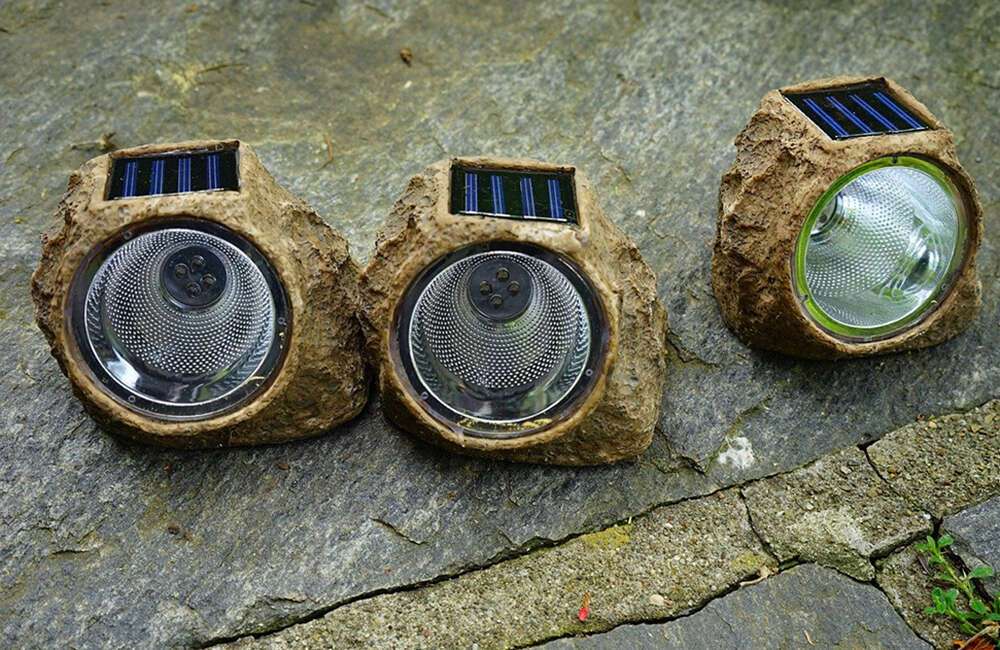
Use lighting timers to turn off your lights after hours. Solar-powered outdoor lights will recharge themselves and shut down at night to eliminate electricity costs.
Startup and shutdown schedules will ensure that your equipment is only up and running when necessary.
Smart controls can be used to power up and shut down equipment remotely, saving you time and money.
8. Change Filters Regularly
How often do you change the filters in your restaurant's HVAC system or on other pieces of equipment? It's easy to put this simple task on the backburner, but neglecting filter changes will force your HVAC system and other equipment to work harder and use more energy as a result.
Make sure that you are changing filters regularly to keep your systems running efficiently.
9. Maintain Your Equipment
Proper maintenance will help extend the life of your equipment and reduce its energy consumption. Cleaning and regular servicing will ensure that your equipment isn't working harder than it has to work.
Create a maintenance schedule for all of your kitchen appliances as well as your HVAC system to ensure that everything is running optimally and that repairs are taken care of early on before they progress into a bigger, expensive problem.
10. Train Staff in Energy-Saving Protocols
Going green and saving on energy costs can only be achieved if everyone is on board and following energy-saving protocols. Make sure that your staff is properly trained in these protocols and understands the best practices for reducing energy and water waste.