
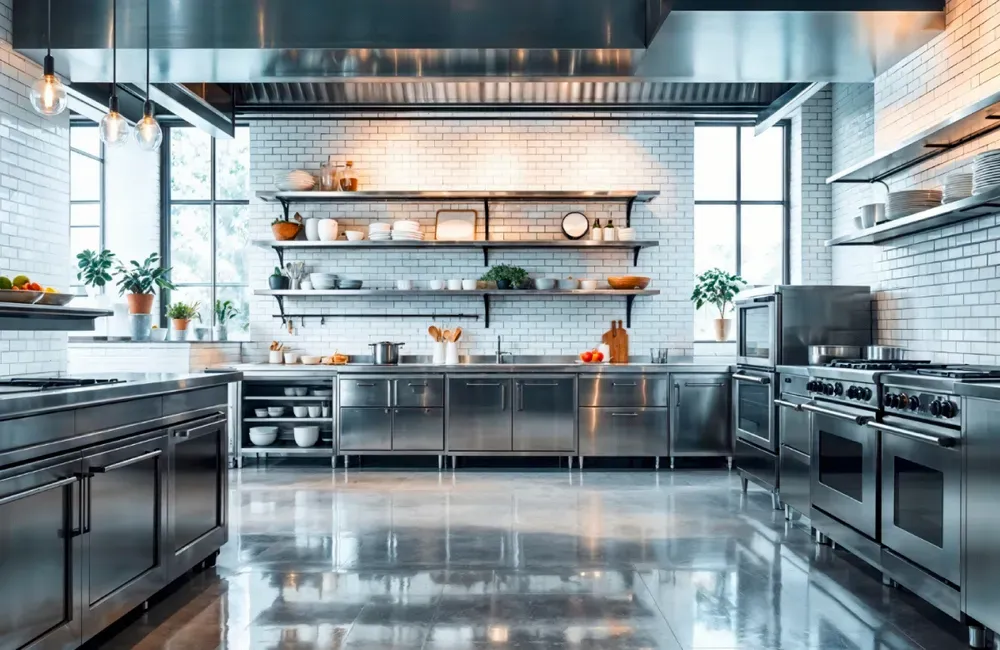
Stainless steel is the material of choice in commercial kitchens across many of the world’s leading restaurants. You’ll find everything in this metal:
- Appliances
- Equipment
- Prep tables
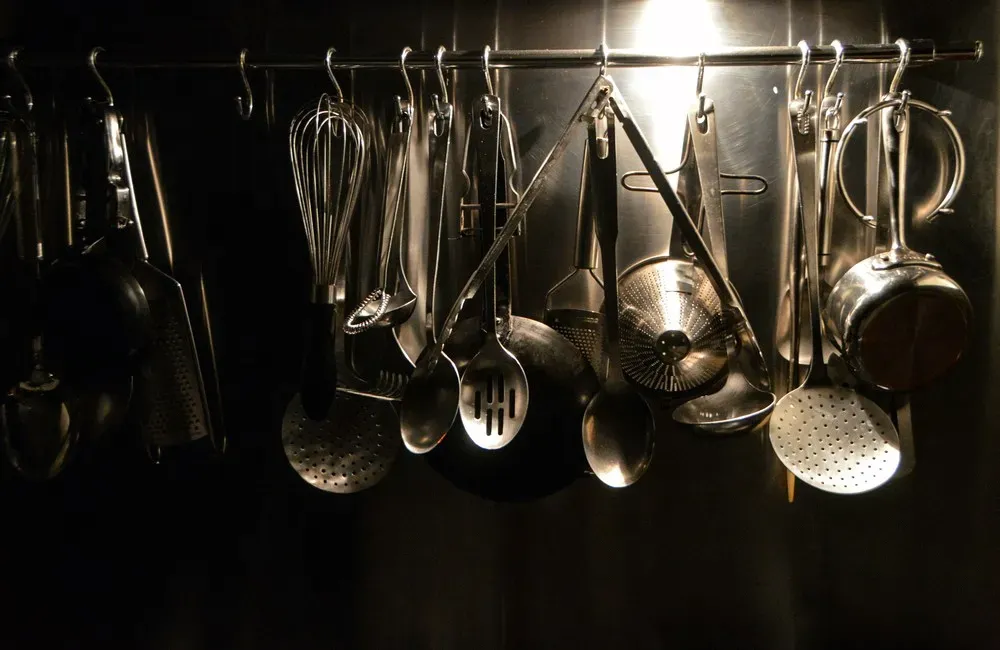
- Utensils
Even your commercial sink may be stainless steel. But what makes stainless steel the preferred option for top-tier restaurants?
Stainless Steel Supplies are Durable and Long-Lasting
You run a busy kitchen, and your pots, pans, utensils and other supplies need to keep up. Stainless steel offers:
- Corrosion resistance to prevent rust
- Resistance to denting and warping
Chromium is the key to this metal’s corrosion resistance. Since the composition of the metal includes chromium, it prevents oxygen from reaching the iron atoms that are also in stainless steel. Offering a sort of protective layer, this stops rust formation, so your pots, pans, appliances and any other equipment remain as strong as the day you purchased them.
When purchasing a stainless steel prep table or other items, there are also many choices:
- 304 Grade: A grade that includes chromium and nickel, which allows for a balance between resistance, durability and cost. Busy kitchens do well with 304 grade stainless steel like this because it’s reliable.
- 316: Molybdenum is added to the stainless steel to boost its corrosion resistance. For example, if you run a restaurant near the sea or serve acidic dishes, 316 stainless steel can easily combat corrosion, rust and pitting.
- 430: Your budget-friendly stainless steel that sacrifices corrosion resistance for lower-cost equipment. Opt for 430 stainless steel when the equipment will not be exposed to high levels of acidic foods or moisture.
Restaurants have multiple options that balance cost with resistances whether they’re choosing a stainless steel restaurant table, appliance or other equipment.
For a long-term investment in your company’s success, stainless steel simply makes sense.
Pro Tip: Stainless steel is durable, but you want to avoid using abrasive materials on it. Scrub brushes are a prime example of a common cleaning item that can scratch the protective coating on stainless steel, impacting its lifespan.
Stainless Steel is Nonreactive and Food-safe
Certain metals, such as copper, are known for being reactive materials. What this means is that certain uses produce new compounds. Let’s imagine that you’re making a tomato sauce that is highly acidic in a copper pot.
While copper is a great choice for its even heat distribution, it will produce new compounds when exposed to:
- Acidic foods
- Alkaline foods
Exposure like this can impact the taste of the food, which chefs must consider when using reactive metals.
Stainless steel is nonreactive, so there’s no risk that the metal will leech into the food and alter your chef’s desired taste. Aluminum or unlined copper are two options which add toxic metals to food, so stainless steel is a safe bet for your chefs and guests.
Hygiene and Sanitation Promotion
Commercial kitchens must focus on hygiene and sanitation if they want to stay in business. Health code violations are serious, which is why equipment, like a stainless steel table, must be purchased with a safety-centric approach.
While you know the resistant nature of this metal, it’s also non-porous .
Pours allow bacteria to settle into materials, and since stainless steel is non-porous, your risk of microbial growth drops drastically. Kitchens that focus on hygiene and sanitation know that the highest cleanliness standards are possible with this metal.
You’ll find stainless steel is:
- Easy to clean
- Resistant to microbial growth
- Less risky in terms of cross-contamination
If restaurants want to maintain a hygienic environment, stainless steel is one of the best options.
Regulatory Compliance
Whether you’re in the heart of New York City or in a small rural area, there’s one constant: regulatory compliance. Owners must follow city and state hygienic and regulatory requirements, or they can be shut down as a result.
How does stainless steel help you meet growing compliance requirements?
- As mentioned previously, this material is non-porous, so there’s less risk of bacteria growth on any of its surfaces.
- Sanitizing stainless steel is easier than with other surfaces. For example, you can use boiling water on it without risk of damaging the steel.
- Seamless construction is another one of its benefits. Food and bacteria cannot make its way into cracks or crevices of the steel where pathogens like to hide.
If an inspector comes to your restaurant, you have peace of mind in knowing that a quick wipe down of your surfaces is all that’s needed to meet this compliance requirement.
Start Outfitting Your Restaurant With Stainless Steel
Upgrading to stainless steel is a massive undertaking, but it’s one that’s worth the effort. You can start small and continue expanding the material’s footprint in your kitchen with the help of:
- Appliances : What’s your most used appliance? It’s a good place to start with outfitting your space. For example, you may want to start with a refrigerator or cooler, freezer, ice machine, cooking equipment or oven and steamer.
- Kitchen supplies : You have a lot of kitchen supplies that are easy to swap out for stainless steel. For example, opt for cutlery or serving utensils that are stainless steel.
- Work tables : A work table is one of the most-used items in your kitchen. You have plenty of opportunities to make an upgrade here. View our selection of work tables, sinks and stands .
If you need help with making your selection, we’re available to make recommendations. You can also work with your head chef, who will have insights into the equipment you need to replace or what they would like to see you add to streamline your workspace.
Start small and expand your stainless steel footprint as necessary.
So, why are more commercial kitchens using stainless steel? It’s the undisputed material of choice because of its practicality. You might need a stainless polisher to keep your tables and appliances looking their best, but it’s worth the effort.
Stainless steel provides hygiene and sanitation benefits that other materials can’t offer, but on top of this, it’s also extremely durable and non-reactive.
For restaurants that are focusing on growth and long-term investments, stainless steel is a good option.