
Did you know that the average restaurant failure rate is 50% within the first five years? In recent years, these rates have skyrocketed, thanks to eateries having to deal with:
- Higher overhead
- Rising menu item costs
- Rising salaries
Why do restaurants fail? It depends on the economy and the business itself. You might be located in a suboptimal location with little demand or too much competition and never be able to secure enough market share to succeed.
If you know the reasons restaurants fail, you can protect against these common failures.
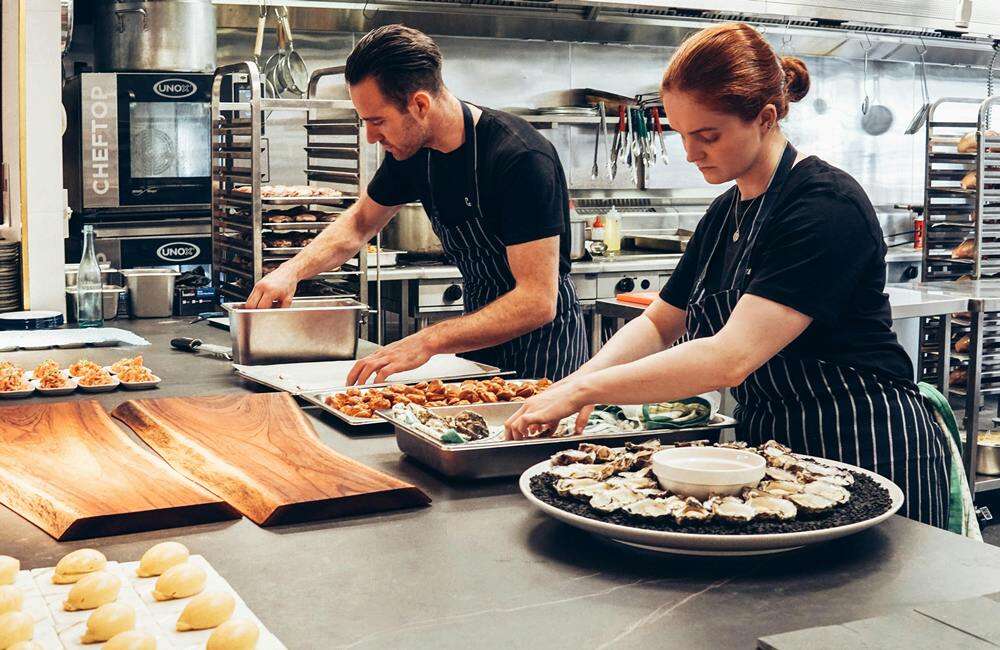
5 Reasons New Restaurants Fail
What are some of the reasons that 20% to 60% of eateries fail within the first year?
1. No Industry Experience
The success rate of restaurants is intrinsically tied to experience. If the owner wants to own an eatery and has no experience, they'll quickly find that banks won't offer a loan. Why? They don't have the knowledge to run a restaurant.
And if you do self-fund your venture, there's still no guarantee that you will succeed.
Running a restaurant requires experience in:
- Managing staff
- Predicting demand
- Maintaining inventory
- Marketing your menu
One step to help overcome having no experience is to hire a manager who can help steer your eatery in the right direction. And while a top-tier manager can make a world of difference in your restaurant's success, you risk:
- Hiring someone who doesn't have the experience that they claim.
- Relying on someone else for the success or failure of your business.
You can rely on managers to some extent, but you should take it a step further by doing the following:
- Work at a restaurant. You can gain a world of experience by working for someone else who already runs a successful business. Learn the ins and outs of how to operate the business and the challenges that go well beyond offering great-tasting food.
- Attend cooking and business courses. If you know how to cook and what's involved, it will make you a stronger owner. You can learn how to plan your menu and even what ingredients you'll need.
- Network with others in the industry so that if you need help navigating running the restaurant, they'll be able to help you.
If you have the finances, you can pay a former restaurant owner to teach you the ins and outs of running a successful eatery. You can work with these professionals on a consulting basis to help you fill in your skill gap and gain the foundational experience you need to find success.
2. No Understanding of the Local Market
Your restaurant concept may not work well in your local market. Unfortunately, restaurant market research may find that your idea isn't viable in your desired location. You can conduct extensive due diligence with:
- Competitor analysis to understand what strengths and weaknesses you're up against.
- Demographic data that you can analyze, such as income level and age, to ensure that people can afford to eat at your location. If you serve $100 entrees, it may be too expensive for your local market.
- Run surveys. You can survey locals to better understand what they want in a local restaurant and if you meet these needs or not.
You can hire someone to help you with conducting local market research to ensure that there's demand for the type of restaurant that you're opening.

3. High Employee Turnover
You may be surprised by how many restaurants fail because of high employee turnover. High turnover disrupts the flow of operations, but it also leads to higher costs for restaurants.
Each time you have to hire and train a new employee, you incur significant costs.
Finding ways to reduce turnover can help you avoid this issue, which can lead to restaurant failure.
4. Poor Cash Flow Management
A large percentage of restaurants that fail do so because of poor cash flow management. It can be challenging to maintain a steady flow of cash due to the variable nature of restaurants.
Often, restaurants struggle with:
- Fluctuating payroll. High staff turnover, seasonality and varying hourly rates can make payroll a consistent challenge.
- Seasonality. Restaurants often have high and low seasons. Without proper preparation for slow periods, you can easily run out of cash and struggle to cover your most basic operating costs.
- Relying on credit. Restaurants often rely on credit, and it can be difficult to stay on top of outstanding invoices.
Seasonality planning and forecasting your cash flow can help you avoid this pitfall. Taking the time to analyze your menu and removing low-margin items can also help ensure that you have more cash on hand. Many restaurant owners have also improved their cash flow simply by shopping around and negotiating better deals with suppliers.
5. Ineffective Marketing
Marketing can make or break a restaurant. If you're not promoting your restaurant, you may struggle to get a steady flow of customers through your door each day.
Many restaurant owners overlook the importance of having an online presence and a digital marketing strategy. They stick to traditional methods of advertising and, in many cases, fail to drum up enough business to keep their doors open.
What does an effective restaurant marketing strategy look like? Here are some key components:
- Invest in digital marketing, including search engine optimization, social media marketing and email marketing. Doing so will help you reach a wider audience. You'll need to invest in engaging content.
- Offer incentives and implement a loyalty program. Give customers a reason to visit your restaurant. Loyalty programs encourage repeat business, and special promotions will encourage new customers to try your restaurant.
- Invest in professional photography for your menu, social media and other marketing materials. High-quality visuals make a world of difference in the effectiveness of your campaigns.
Additionally, make sure that you have a way to track and analyze your marketing to understand what works and doesn't work.
Final Thoughts
The average lifespan of a restaurant is 8-10 years, but many fail within the first few years due to one of the reasons above. Having industry experience is an important first step, but having a strong grasp of the local market is equally as important. High employee turnover and poor cash flow management can leave the restaurant without enough funds to pay its bills. Finally, ineffective marketing can prevent you from maximizing foot traffic and sales.