
Food delivery trends change as consumers expect more from eateries and economic changes occur. Rising prices, less free time and a desire to eat at home are all driving New York City's (NYC) takeout delivery.
NYC's platform economy and technological advancements shape the rest of the country. To understand the trends we'll discuss below, you must know more about the history and industry.
Understanding NYC's Food Delivery Industry and Its History
NYC is known for great pizza, Chinese food, Mexican cuisine and an ordering-in culture. How orders are made is changing, but for decades, people have entered their favorite eatery to place an order or called ahead of time to pick up their food.
Delivery in the area was a hit or miss due to high demand.
Some eateries could bring pizza to high rises or egg rolls to an office building, but in a city that has 8.48 million people, offering consistent deliveries requires an army of workers and the highest efficiency.
But then, in 1999, came SeamlessWeb, a way for New York lawyers to order expensive dinners to their offices. GrubHub hit the scene in 2004, and today, people are ordering through the likes of Uber Eats, Postmates, DoorDash and GrubHub.
People are still picking up their phones to place delivery orders, but instead of calling in their orders, they're placing them on apps.
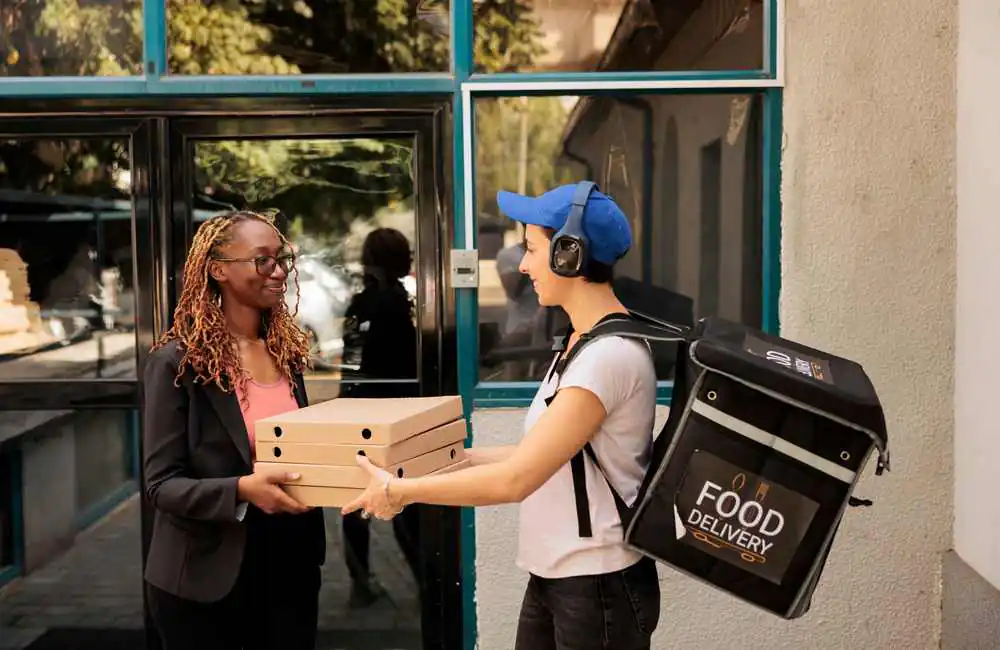
3 Food Delivery Trends Shaping NYC in 2026
Restaurants offering good take out food will thrive in 2026 because it's shaping up to be a year of people ordering in. Some of the many trends that show a promising year ahead are:
1. Demand Will Continue to Rise
Food delivery as a whole is expected to grow by 7.63% annually, and this includes both groceries and restaurant food. New Yorkers live a fast-paced lifestyle, known for always being on the go and preferring to spend what little time they have with friends and family.
Demand will continue to rise this year as consumers opt to eat in, especially in the office.
If you set your eatery up right, you can continue to grow your revenue in 2026. Demand will rise, and you need to fulfill it.
2. Sustainability Will Remain Popular
Consumers follow sustainable initiatives. From the Bronx to Manhattan, people want their food choices to matter. You can get in on this trend and market yourself as a sustainable eatery in a few ways:
- Buy green packaging
- Source ingredients locally
- Continue to reduce waste and environmental impact
3. Order and Delivery Optimization
Technology is advancing, and it's up to you to be on top of it year after year. Your best investment going into the coming years is to focus on platforms and software that provides advanced features for:
- Order tracking
- Food suggestions
- Delivery optimization
- Customer satisfaction improvements
What's Happening to NYC's Fast Food Delivery Services
Fresh food delivery services are always driven by consumer behavior and understanding what's happening in New York City's thriving scene. A few trends and insights that are becoming stronger this year are:
- Dining out is on the decline. Consumers prefer eating in, watching their favorite shows on Netflix, and they want to do it while in the comfort of their own home. Change your focus from in-house and mix it with delivery services to meet everyone's needs this coming year.
- Health-conscious buyers. Organic, healthy food is still one of the most prominent factors when choosing one eatery over another. Consumers want to eat healthy, and you can offer it with the ingredients you provide.
Challenges Restaurant Owners Can Expect in 2026
Your delivery must do more than just be available; it must exceed customer expectations. Bad reviews and reputation damage are both consequences of poor planning and offering delivery before you're 100% ready.
Challenges that you can avoid through preparation are:
- Logistics: City traffic slows food deliveries, which is why you'll see so many eateries with delivery drivers on their bicycles. Invest in good logistics software and tools, and plan for how you'll deliver orders in a reasonable time.
- Food quality: Consumers don't want their soups or hot meals to arrive cold. Insulated carry bags can help you maintain high food quality and keep your customers happy.
Overcome challenges as they present themselves, and you'll keep your customers happier as a result.
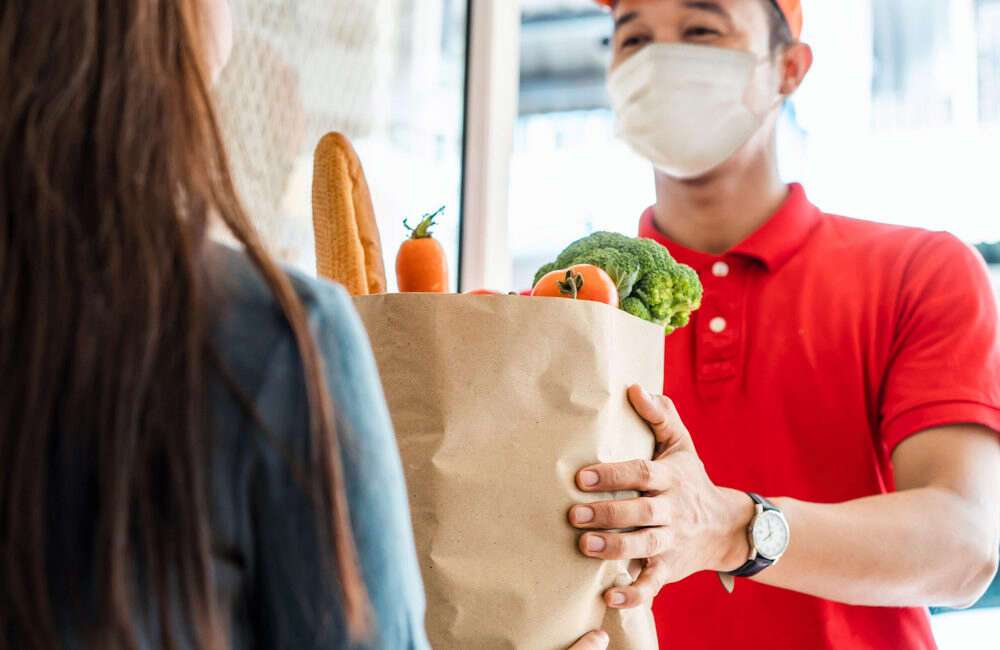
What Platforms and Food Delivery Apps are Driving the Most Business in New York City
You'll find countless food delivery apps offering an easy way for eateries to control orders and patrons to make them. Which app or apps should you consider adding your restaurant to? A few of the most common options are:
- ChowNow: A major perk of ChowNow is that they charge a monthly fee and a two-year commitment, but they do not charge commissions.
- Delivery.com: You'll spend around 15% in commission fees when using Delivery.com, and there are no upcharges to your customers. While less popular than some of the other options on the list, the lower commission rate is enticing.
- DoorDash: Over 300,000 restaurants are on DoorDash, which charges around 20% commission on all orders.
- GrubHub: Restaurants pay processing fees of 3.05% plus 30 cents for sales. But a marketing fee of 20% applies, and there's a commission fee of 10%.
- Postmates: Restaurants pay 15% to 30% commission fees on all orders through Postmates, which is still available, and is part of Uber Eats.
- Uber Eats: Quick and easy ordering attracts 75 million people to Uber Eats annually. You'll have to pay 20% to 30% commission fees and the customer will pay 15% in a service fee.
If you must choose one app, GrubHub is used by 52% of residents in the city. But always be on the lookout for new apps that New Yorkers are using. If you have a niche eatery, such as an organic or vegan pizza place, some of these niche apps may be major revenue drivers.
Whether you're reading this in 2025, 2026 or beyond, the same sentiment rings true.
Monitor your customers' behaviors and find ways to best cater to their needs. If you focus on keeping your customer base happy, your eatery will always thrive.