Potential restaurant owners who want to break into the industry can choose a traditional or fast food business. You have the option to franchise and open up a new McDonald's, Burger King, Papa John's or similar establishment, but you can also choose your own concept.
What does a fast food business involve?
- Quick food delivery
- Convenience
- Efficiency
Short wait times, drive-thrus and preprepared foods are all signs of a fast food business.
We're going to outline how to start a restaurant, business models to follow, marketing strategies and other nuances to consider before raising capital.
How to Open a Fast Food Restaurant in 9 Steps
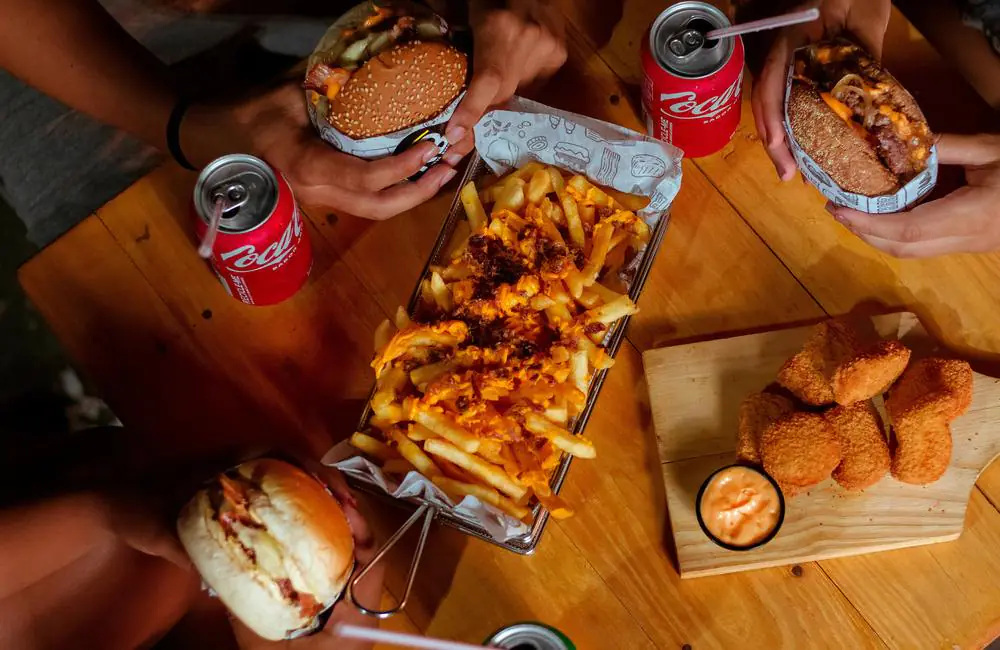
1. Business Model: Fast Food Franchise vs Independent Eatery
Your first decision to make is whether you want to start a franchise, an independent eatery, or even a food truck.
Franchise Restaurants
Franchises offer lower risks and the ability to operate under a well-known brand, such as:
- McDonald's
- Subway
- Taco Bell
- Wendy's
- Jersey Mike's Subs
- Burger King
- So many others
Over 213,000 fast food restaurants operate in the US, and many of these are franchises. You'll receive training, a proven business model, supplier connections, help with marketing and so much more.
But even the cheapest franchise to open comes with restrictions, such as:
- Lack of creative control
- Strict corporate guidelines to follow
- Royalty fees that are paid to the franchise
- Other fees
You license the name of the franchise, benefit from the company's proven business model and the risks of failure are lower.
Independent Restaurants
Want complete creative control? Open your own fast food business concept where you decide on:
- Branding
- Creatives
- Menu choices
- Marketing
- Everything
You're on your own as an independent restaurant, but this also means that you can cater to your local base in ways that a franchise cannot. If you want, you can even go mobile with your own food truck.
2. Research the Market and Potential Demand
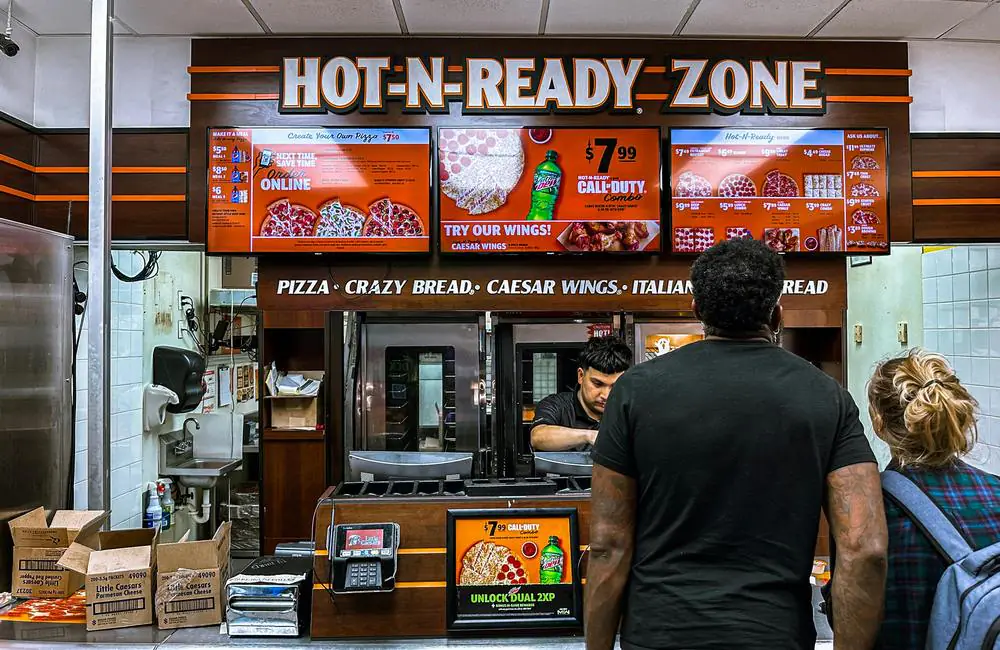
Before going any deeper and starting on your restaurant business plan, ask yourself: is there a market for my concept?
Research:
- Customer demographics to know who your customers are. Are they families? Students? Singles?
- Preferences. Do locals prefer fast food or fine dining? Is there a big demand for healthier food options that you can fill? You'll use this information to determine the viability of your concept and create your menu.
- Competitor analysis. Who are you competing against in your area? What are their strengths and weaknesses? Pricing? Customer experience?
You may find that the competition for one segment is too strong, so your best bet is to go an alternative route: healthy foods, vegan options, etc.
Research is how you'll develop your unique selling point and differentiate your eatery from the competition.
3. Local Requirements and Permitting
Restaurant startup costs must include your licensing and permitting. You must meet local regulations when in operation, which is why many owners work with a lawyer to better understand their needs for:
- Alcohol licenses
- Business licenses
- Food service licenses
- Music licensing
New construction or renovation of a building will require building and zoning permits. You'll also need to have accurate capacity limits to stay within fire codes.
4. Create Your Business Plan

You're really doing this. Going from idea to concept requires a lot of consideration, which is why creating a business plan is crucial to your success.
The Small Business Association (SBA) has an extensive guide on drafting a business plan, but you'll need to have:
- Executive summary
- Financial projections
- Market analysis
- Marketing strategy
- Operational plan
- Many other sections
You can hire a professional to create a plan for you. If you need to finance your startup costs, your plan can convince lenders to approve a loan.
5. Scout Out Potential Locations
You have a plan, but you also need a location. One restaurant may be successful in one area and another one a mile down the road may close in six months.
Where will you open your location?
You can find out by:
- Analyzing foot traffic in the area
- Researching the competition and the number of eateries to determine if the market is too saturated
- Considering building purchase, rental or construction costs in the area
Even the best restaurant marketing strategies fail if a location is tucked away, hard to find and not accessible. Your ideal location is in an area with decent foot traffic already, growth potential and the infrastructure to support your business.
6. Menu Design and Suppliers
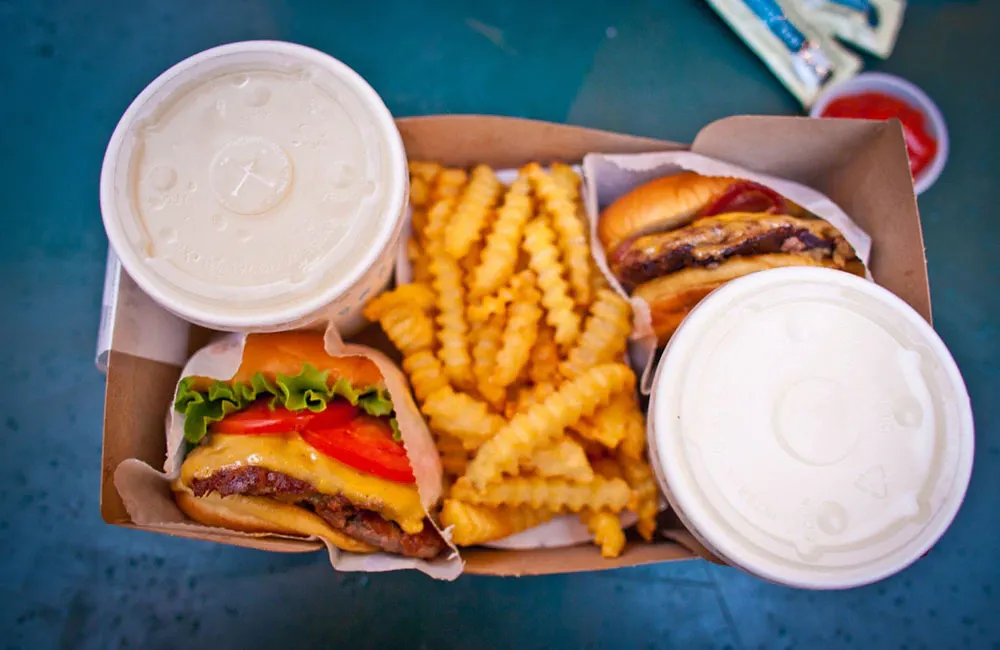
You can now move on to the fun part of starting your business by creating your menu. Sit down with your chef to develop your menu. Consider:
- Ingredient types and costs
- Profit margins
- Waste reduction
- Food safety
It's a good time to start talking to suppliers to source high-quality, fresh ingredients from local vendors.
7. Setting Up Your Space
Once you've rented or built your space, you need to consider the overall layout. Your layout must allow for the smooth flow of traffic to all areas of the eatery and allow staff to easily move between:
- Assembly lines
- Cooking stations
- Etc.
Work with your local officials to ensure that you meet all safety and sanitary requirements when designing your space.
Design your kitchen with food warmers, refrigerators, coolers, freezers, grills and other components. Automation can help improve productivity, and it's important to have these systems in place from the start.
Suppliers should also help you obtain all of the essential equipment you need to prepare food and serve guests.
8. Hire and Train Employees
You're closer to opening, but you need a team to help you reach your goal. Without knowing the size of the space or type of business, it's impossible to know the exact number of employees you need.
But you will need:
- Chefs
- Waiters/waitresses
- Host and hostesses
- Dishwashers
- Prep cooks
- Managers
Fill your front- and back-of-house staff and train them to make opening day as streamlined as possible.
9. Marketing, Branding and POS Systems
Your business needs marketing and branding. Create a unique brand identity and signature dish that keeps people coming back for more. Marketing channels that work well for your restaurant business include:
- Local partnerships with hotels and businesses
- Loyalty programs that turn one-off sales into repeat business
- Local SEO to help people find you on Google and ChatGPT
- Social media marketing to connect with locals
If you have the wiggle room in your startup budget, work with a brand and marketing specialist so that you can focus on other areas of your business.
Fast food businesses are popular, with expectations of 5% compound annual growth through 2030. If you do your due diligence and open in a buzzing location, you might even find opportunities to expand to new locations or to franchise your business in the future.