
Consumers have preferences. When someone chooses your eatery, they do so because they like the food, prices, ambiance or menu options. However, as dietary changes occur, this same person may look for restaurants with vegan options - or gluten-free, vegetarian, etc. - to match their current preferences.
It's up to you to create a menu that offers options for common dietary restrictions.
Accommodating every new diet fad will be challenging, but you can create a menu that is more inclusive and makes you the go-to option for anyone who has certain dietary requirements.
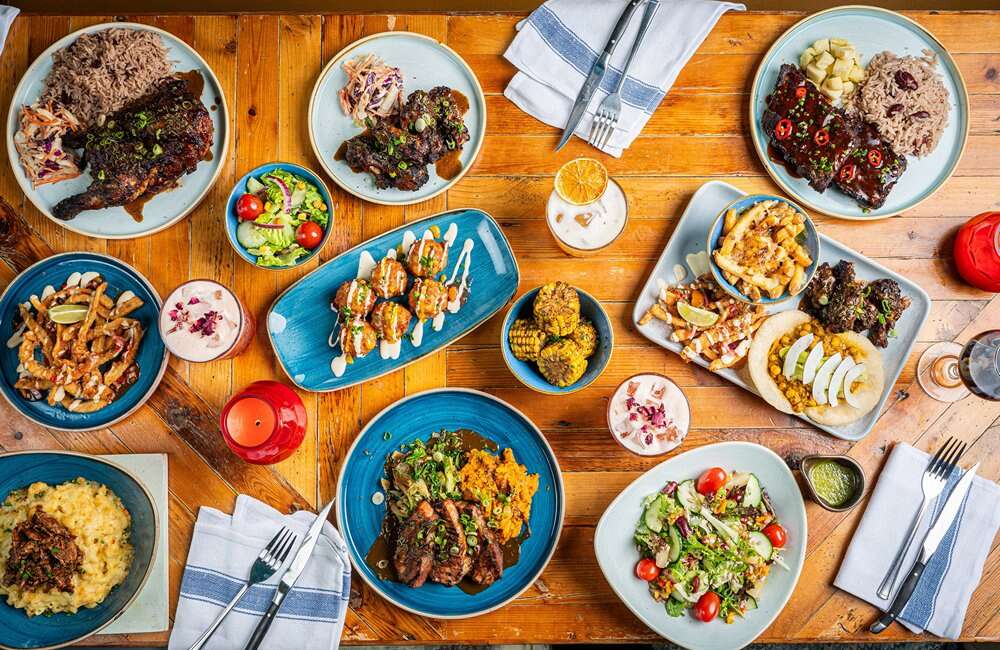
What Dietary Preferences Are Most Common?
More than 1-in-3 people have a dietary restriction of some kind. For some, they cannot eat certain proteins or even peanut butter due to allergic reactions, but others are on diets or have given up eating meat as a personal choice.
Some of the most common dietary restrictions are:
- Dairy: Certain guests will have an intolerance to dairy, so offering non-dairy alternatives to your menu may be in your best interest.
- Allergens: People are born with or can develop certain allergic reactions to specific foods, such as fish, nuts and others.
- Intolerance: A growing number of guests are learning that they have intolerance to certain ingredients, such as gluten.
- Vegan and vegetarian: While different, you will need to consider vegan and vegetarian menu items.
- Diets: Keto, paleo and other diet fads dictate people's restaurant preferences. If you can, begin offering a few menu items that can be transformed into ones that meet these requirements.
On top of these preferences, there are many people who have religious restrictions that you must consider, such as restrictions on beef, Kosher, Halal food and others. Market research in your area can help you consider dietary restrictions based on the local population.
Dietary restrictions shape the restaurant industry, and the faster you learn to address the needs of your consumers, the better.
How to Address Dietary Preferences with Your Menu
Vegan fast food options, gluten free options - there are so many choices. You know the most common restrictions, but now it's time to address them by deepening your knowledge further. A few options to consider are:
Gluten-free
If you have a wheat processing facility, be sure to mention this to customers on your menu. Some people avoid gluten by choice, and others have medical reasons to avoid gluten. In both cases, you'll want to work with your chef to avoid this protein in certain meals.
Keto
Low-carb and high-fat is the cornerstone of the keto diet. Beef, cakes and other high-fat options can be added to your menu to accommodate those following the keto diet.
Dairy-free
Almond or coconut milk are two great ingredients that you can use instead of traditional milk. Oat and soy milk are also great alternatives.
Vegan
Veganism is very similar to vegetarianism, but it's a little stricter. These guests cannot eat eggs and dairy. In extreme cases, they may also avoid honey.
Work with your chef to find ways that you can honor these restrictions.

5 Ways to Create a Menu That Honors Dietary Restrictions
With the right approach, you can still offer an inclusive menu that takes dietary considerations into account without alienating other customers.
Here's how:
1. Know Your Customers
How often do customers make requests or ask questions related to dietary restrictions? For example, do you have a lot of customers asking if certain items are gluten-free or vegetarian? If so, then you know there's demand for an inclusive menu.
Ask your staff how often they are asked dietary-related questions or send out a survey to loyal customers to ask about their diet preferences. A little market research can go a long way in helping you make an informed decision about your menu changes.
The more you know about your customers and their needs, the easier it will be to create a menu that appeals to them.
2. Use Labels to Identify Special Dietary Needs
Clear and colorful labels make it easy for customers to find dishes that align with their dietary preferences.
For example, if your southwestern salad is already meat-free, labeling it as "vegetarian" will appeal to diners who eat a plant-based diet. If that same dish is free of all animal products (including traditional cheese), you can even label it as "vegan."
Along with vegetarian and vegan, you can also label dishes that are:
- Organic
- Gluten-free
- 100% natural
- Dairy-free
- Kosher
- Egg-free
- FODMAP friendly
- Nut-free
- Plant-based
Labels can be added to all of your existing and new special menu items to start appealing to customers with dietary restrictions.
3. Create Special Menu Sections
Labels are great identifiers, but you may also want to consider creating special menu sections for dietary needs.
Having a separate gluten-free menu, vegan menu or vegetarian menu will make it even easier for customers to find dishes that appeal to their tastes and diet preferences.
You can also have separate menu sections for any other diet preference that is relevant to your customers, whether it's dairy-free, nut-free, keto, paleo - you name it.
4. Offer Flexible Menu Options
Do you have existing menu items that could easily be made to meet different dietary needs? Offer the option to customize orders based on these needs.
For example, if you have a lunch menu with a variety of sandwich options, you can allow guests to choose their:
- Bread and offer gluten-free or egg-free options
- Fillings and offer vegan or vegetarian options
- Sauces and offer a variety of options that meet dietary preferences, like keto or paleo
If you decide to offer substitutions, make sure you mention this on the menu item itself so that customers know their options.
5. Educate Your Staff on Dietary Restrictions
To provide the best possible customer experience, make sure your staff is trained on your menu items and dietary restrictions. It is crucial for your servers to understand the ingredients that are in your dishes, particularly when serving guests with allergy concerns or celiac disease.
Proper training and education will ensure your staff can answer questions with confidence and will show your customers that you care about their preferences or restrictions.
The Takeaway
Creating an inclusive menu that caters to different dietary preferences will make your restaurant more appealing to a wider range of customers. Understanding your customers is the first and most important step. Offering flexible options and dedicated menus can further help you appeal to customers with special dietary concerns.