
Maximizing revenue and delivering value are two of the reasons why many eateries are turning to a limited menu concept. You can realign your focus to restaurant menu ideas that fit your chefs and demographic perfectly.
You can offer an extensive menu, but then you become a jack of all trades and a master of none.
Consumers are eating out less, and according to one study, 37% are eating out less across all income brackets. This number swells to 44% for lower-income consumers.
Limited menus help you stand out in the crowd and offer dishes that your chefs have mastered over the years. We'll explain how it works below and what steps you need to take to incorporate limited restaurant menu types into your business.
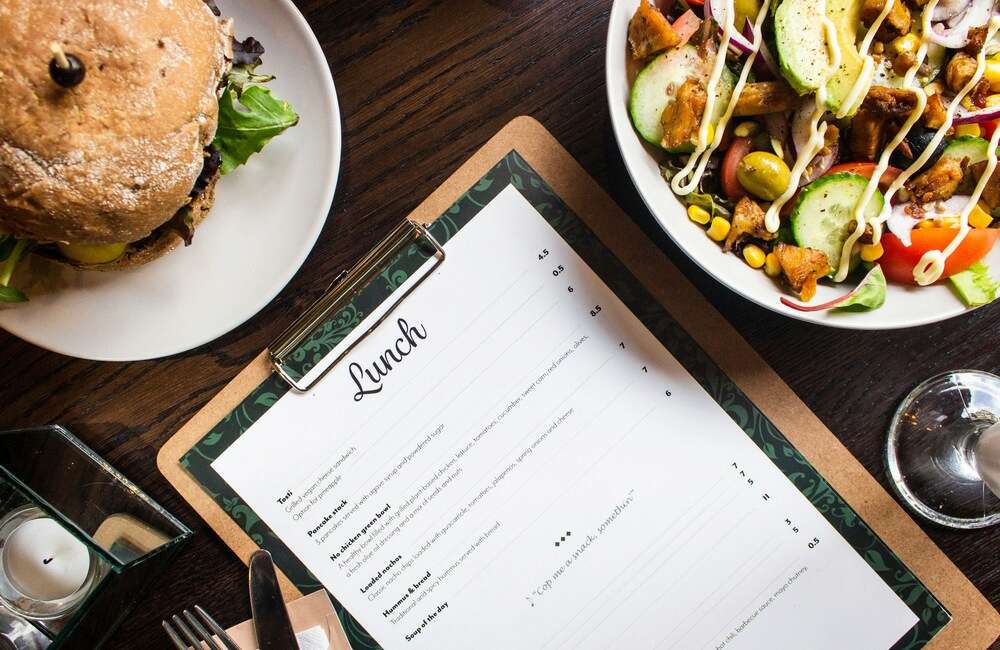
What is a Limited Menu?
A limited menu offers high-quality, signature dishes. Instead of offering 24 entree options, you decide to focus on just three or six appetizers, entrees and desserts. You upscale to a fancy restaurant menu that does more than attract customers - it allows you to:
- Streamline kitchen operations
- Focus more on guests
- Differentiate yourself from the competition
Your goal when creating new restaurant menu examples will be to focus on the high-quality dishes that you want to be known for while staying operationally efficient. A few tips to get started are:
- Highlight certain types of meals or very specific cuisines
- Curate 5 to 15 total signature menu items that you'll offer
- Consider like ingredients that you can use across dishes
Limited menus allow you to increase the quality of your food because these are dishes that your chefs make every day. While "wowing" people with the delicious food you cook, you'll also free up time for your staff to focus on the dining experience.
Customers will be happier with the quality of the service you deliver while also enjoying much better food in the process.
For your staff, you'll focus on their core specialties, allowing for consistent flavor because chefs have perfected each meal. On a management level, you'll reduce the extensive ingredient inventory that you have, will be able to negotiate better deals with suppliers and have an easier time managing inventory.
You'll also enjoy less food waste, allowing you to maximize profits instead of expenditures.
How to Create a Menu with Limited Selections
You need to focus on how to create menu items that have a low risk of failure. If you already have a restaurant that's been open for quite some time, it's the perfect place to start.
Analyze Your Current Menu's Performance
Ask yourself these questions:
- Which dishes on your menu are most popular?
- What items are most profitable?
Ditch the menu items that are time-consuming to make and offer little-to-no profits. You're looking for star dishes that have rave reviews and are the main reason that customers keep coming back.
But you also need to remove emotion from this process because there will be dishes that you prefer but they're just not as profitable or popular as you had hoped.
Data doesn't lie.
Analyze your:
- Sales data across seasons
- Customer preferences
- Trends
If a dish that was once popular is going out of favor over the last two quarters, it may not make sense to have it as part of your limited menu.
Consider Your Target Customers
Your target customers have a preference. If you're in a college town, fine dining may be out of your customer's budget. But if you operate in a large city where there's a demand for fine dining, you can use this information to design your limited menu.
Data can also help clarify what to offer and who to cater to, starting with:
- Researching your local target market to cater to ethnic dishes, preferences and local populations.
- Customizing your options to provide flexibility, such as offering vegan alternatives or protein swaps.
- Adding in seasonal selections over time that offer something fresh to customers.
Customer satisfaction should drive all of your decision-making. If your customer demands and preferences change over time, operational changes are the only way to keep moving forward.
Identify Your Top-Performing Dishes
You've gone through your top-performing dishes already, and now it's time to narrow down your menu. Add your top dishes to a new limited menu and prepare your staff to handle this new way of operating.
If you offer upscale dishes, now is the time to train your staff on how to recommend:
- Wine with certain meals
- Desserts or side dishes
Once you identify your top-performing dishes and reduce your extensive menu to a limited menu, it's time to test things out.
Test Your Limited Concept
If you already have an extensive menu and regular customer base, you risk disrupting sales by replacing your menu overnight. You'll want to gradually implement your new menu, which requires a strategic approach, such as:
- Streamlining your process to test out the limited menu on specific days
- Piloting your limited menu to judge how customers react to the new change
- Gathering feedback from guests to ensure that your new menu hits the mark
Seamless transitions require testing, which is why you need to offer your limited menu gradually over time so that you can judge how your customers are reacting to it.

Leverage Online Platforms to Manage Your Menu
You can test your limited menu in-house, but you can also do an online-only test. For example, you might add your limited menu to DoorDash and use this to:
- Gather feedback from guests
- Test out new concepts on a limited consumer base
- Gain data that reveals customer preferences and trends
If you opt to take this extra step, you can test drive your menu while optimizing your efficiency before offering it both in-house and online.
Measure Performance
Success is measured in two ways:
- Customer satisfaction: Limited menus may be a hit or miss with your customers. Send out satisfaction surveys and pay attention to reviews to learn if your menu is leaving customers satisfied or frustrated.
- Financials: What are your financials telling you about menu performance? Are labor and inventory costs dropping? Is revenue per seat rising?
Your limited menu can increase customer satisfaction and revenue, but it's not a set-it-and-forget-it scenario. Restaurant management must take the time to adjust to trends and prevent the menu from going stale over time.
Revisit your menu quarterly or every six months to make sure it's still offering the high-quality dishes you want to focus on while being a hit with your customers.