
Menu cross utilization is one of the innovative ways that owners are implementing restaurant cost control in their establishments. You may have noticed that everything is rising:
- Inflation is causing ingredients to cost more money
- Supply chain disruptions are negatively impacting costs
- Labor expenses are on the rise
Managing food costs through cost utilization increases profit margins without compromising on customer satisfaction or quality. You want to have a competitive advantage, and when you keep costs the same while others are increasing them, you gain it.
But to achieve this goal, your focus must be on kitchen efficiency.

Why Cross Utilization Increases Operational Efficiency
Menu cross-utilization reduces ingredient waste, but that’s just one of the benefits of this practice. You’ll also streamline operations, boost efficiency, and increase consistency through these practices.
Smaller ingredient lists allow restaurants to:
- Better manage inventory levels
- Reduce the risk of losing money
- Eliminate much of their food waste
When you have fewer ingredients, kitchen efficiency increases. Simple menus also boost your working environment by increasing dish quality while reducing the risk of errors in the process.
Cross utilization builds a stronger restaurant experience because it contributes to lower prep time and smoother operations.
How to Integrate Menu Cross Utilization in Your Restaurant
You know that this practice can save you money and reduce waste, but now it’s time to take action. Thoughtful planning and execution provide a creative menu that is practical while also avoiding being repetitive.
Start with cross utilization in the kitchen:
- Identify versatile ingredients. Work with your staff to pinpoint the ingredients that you already have on hand that naturally fit into your existing dishes. When you notice that a particular ingredient is versatile, try to find ways to expand its usage over time. For example, maybe an ingredient used in sauces can also be good for marinades and garnishes.
- Revamp your menu. Your menu should reflect cross utilization. Create dishes that have similar flavors and can use the same types of ingredients. Perhaps a single ingredient may find its way into appetizers, entrees, or desserts.
- Train your chefs. Chefs also need training to understand your direction and why you’re starting to focus heavily on restaurant menu optimization. Your goal is to work with your chefs and line cooks to find creative ways to use fewer ingredients while maintaining consistency.
- Seasonal is the way to go. Fresh, seasonal ingredients keep your food costs low and quality high. Incorporate seasonal items into your menu slowly. Not only will you use more of the same ingredients, but seasonal dishes will keep customers coming back for something interesting.
Quality and versatility are two key components of cross utilization that must be at the forefront of your mind. If you can maintain both, you’ll save money while doing more with less.
We do recommend that you request feedback often and make adjustments along the way. Gather input from customers and chefs to learn how you can make your menu even more efficient.
For customer surveys, focus on satisfaction above all else. Customer satisfaction comes before even restaurant waste reduction because these are your paying customers. If they’re not happy with the changes you make, consider reverting them.
Common Challenges You’ll Face with Menu Cross-Utilization
Your dining experience matters most to customers. If your cross utilization leads to boring menus where dishes are repetitive, you risk “menu fatigue.” Customers may come back less often due to this fatigue, or they may decide to go to your competitors.
Reduced interest in menu items is something that you’ll want to watch closely to avoid.
This is where your chefs’ creativity enters the equation. Work with your chef to:
- Create menu items that are versatile while remaining unique
- Consider flavors and textures that might entice customers to come back
- Add seasonal foods to menus to spice things up
Communication with your team is one of the most integral parts of the entire process. If you lack communication, then everyone is on a different page and it’s only a matter of time before your customers realize it, too.
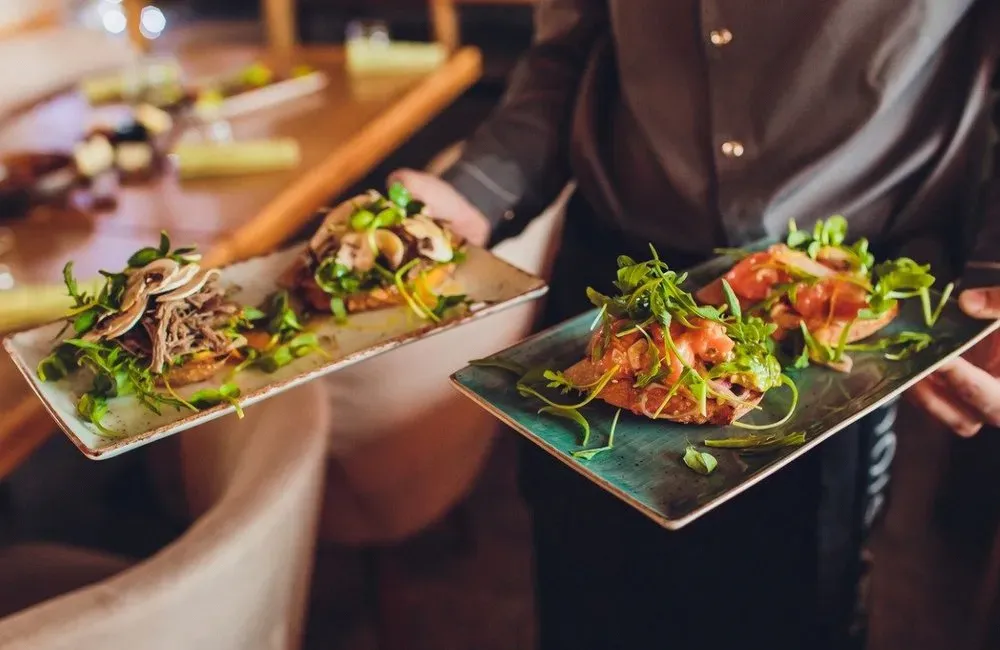
Real-World Examples of Cross Utilization
Before worrying about food cost percentage, it’s imperative that you consider real-world examples that you can follow. For example, there are entire food concepts based on this level of utilization that you’ve probably overlooked.
An example of this may be roasted chicken.
A single roasted chicken can be used in:
- Entrees
- Sandwiches
- Salads
And you can even turn the chicken carcass into stock for your soups and sauces. While this is one extreme example, it shows how one restaurant can use more of the ingredients they have to generate revenue in multiple areas.
Tomatoes are another good example of a type of produce that has many applications:
- Slice them to put them on burgers
- Roast them to make a delicious pasta sauce
- Cut them in chunks to make your own salsa
- Add soups to your menu and use tomatoes as the base
Utilization at this scale allows you to buy in bulk to lower your per-unit cost and ensures that you maximize every ingredient you have in stock.
What the Financial Impact of Cross Utilization Looks Like
You’re putting all of this time and effort into using your ingredients more efficiently. But why? What does the financial impact really look like? For many restaurants, it’s an immediate 4% to 10% reduction in food waste before it reaches a plate.
For your kitchen, cross utilization also reduces the operational load on your kitchen staff. Your team members will prep food faster while spending less time on menu bloat. Over time, these savings compound to create even more efficiency.
But one thing to remember is that cross utilization is not a set-it-and-forget-it scenario. Seasons change, tastes evolve and what might be popular today may be the least popular tomorrow. Quarterly menu reviews help you identify which shared ingredients are generating the highest profit margins for your business.
And you’ll also be able to spot ingredients that may be driving costs up.
If an ingredient is found in only one dish, you have to be discerning. Is it worth keeping on the menu? Is it a customer favorite? Is it an item that you can remove with minimal impact?