
Asian cuisine is exploding in popularity across the globe, but especially in the United States. By 2031, the U.S. Asian food market is expected to reach $37.2 billion. The depth of flavors and variety are part of the reason why demand is surging for this type of cuisine.
But meeting demand can be a challenge for traditional restaurants. Let's explore the challenges restaurants face with Asian cuisine ventures and how a central kitchen for restaurants may be the solution.
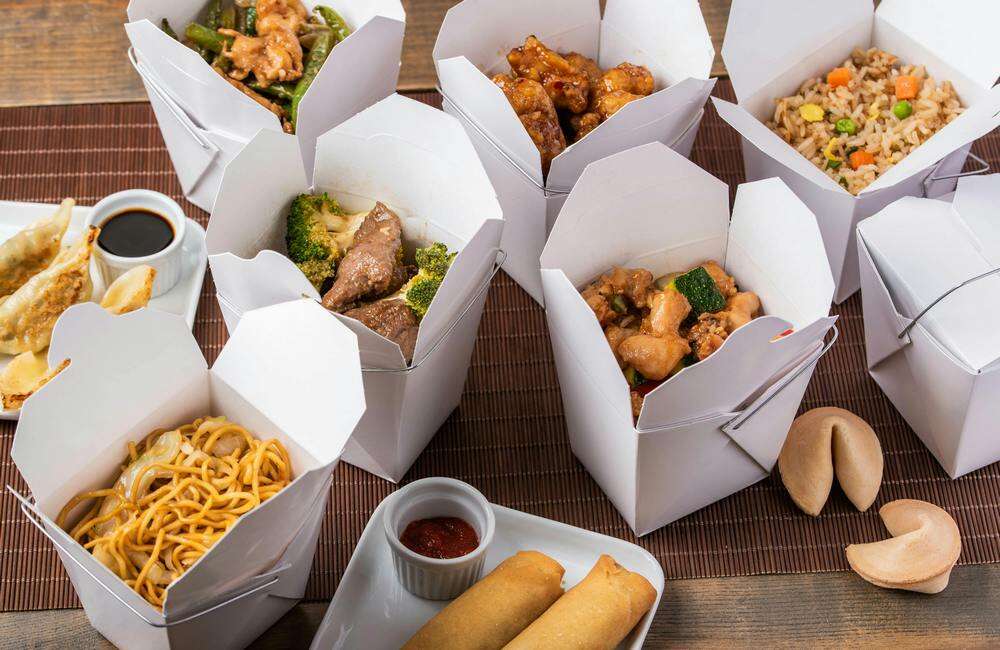
Why Traditional Kitchens Struggle with Demand
One of the biggest challenges restaurants face with Asian cuisine is complexity. Dishes often require intricate preparation and there are multiple steps involved.
- Dumpling folding can be time-consuming.
- Stir-frying requires specialized equipment.
- Flavors need to be properly balanced.
Additionally, ingredient diversity and freshness are crucial. Dishes often call for fresh herbs and specialty ingredients.
Here are some other challenges:
- High-heat and high-speed cooking. Dishes often rely on quick and high-heat cooking that requires specialized equipment. Standard stovetops may not be able to deliver the intensity you need to prepare dishes properly.
- Batch cooking isn't always optimal. Many Asian dishes are made-to-order to ensure they're fresh and the texture is on point.
- Allergies can be a concern. Many Asian dishes include soy, peanuts and shellfish, which are common allergens. Traditional kitchens are often not equipped to handle strict segregation. Cross-contamination can be a serious concern.
With such complex dishes, it can be difficult for a traditional restaurant to scale operations. Authenticity starts to suffer if you don't have ample prep space and the right equipment.
What's the solution?
Bulk production kitchens.
How a Bulk Production Kitchen Can Help Restaurants Meet Demand
A bulk production kitchen (or a central kitchen) can help meet demand without compromising on quality.
A central kitchen is a commercial kitchen run by hospitality groups or multi-location restaurants. They're used to prepare parts of a meal or entire dishes, which are then distributed to the restaurant's units. Meals are then finished, plated and served or prepped for delivery.
Today, they play a major role in kitchen efficiency in restaurants.
Here's how bulk production kitchens can help restaurants meet the high demand associated with Asian cuisine ventures.
Centralized Production
Consistency is crucial when preparing Asian dishes. Improper ratios of ingredients can alter the flavor entirely.
Bulk kitchens create a central location for the production of complex sauces, broths, marinades and dumplings.
Access to Specialized Equipment
Research shows that commercial Asian restaurants need twice the amount of prep space and burners as Western kitchens.
With a central kitchen, you can invest in the specialized equipment you need to cook Asian dishes, including:
- Large-volume rice cookers
- Wok burners
- Large stock pots for cooking broth
- Bamboo steamers
- Noodle cookers
Increased Capacity
Bulk kitchens make it easy to prepare hundreds (sometimes thousands) of portions per day. That increased capacity is critical during peak times and holidays when demand soars.
Meeting demand with a traditional kitchen, especially when such complex prep is required, can be a challenge.
Easier Compliance with Food Safety
Central kitchens are designed from the ground up to comply with regulations. From large prep areas to proper refrigeration and storage space, bulk kitchens make it much easier to prepare dishes while complying with food safety standards.
Faster Turnaround
When central kitchens handle the pre-prepping, it's easier to meet demand and offer quicker turnaround times. Staff can focus on assembly and final cooking, which will cut down on wait times and improve delivery speeds.
Consistency and Efficiency
Bulk kitchens offer a centralized location to produce core components of Asian dishes, which allows you to offer better consistency across the board.
At the same time, these kitchens improve efficiency by providing the space your staff needs for prep.
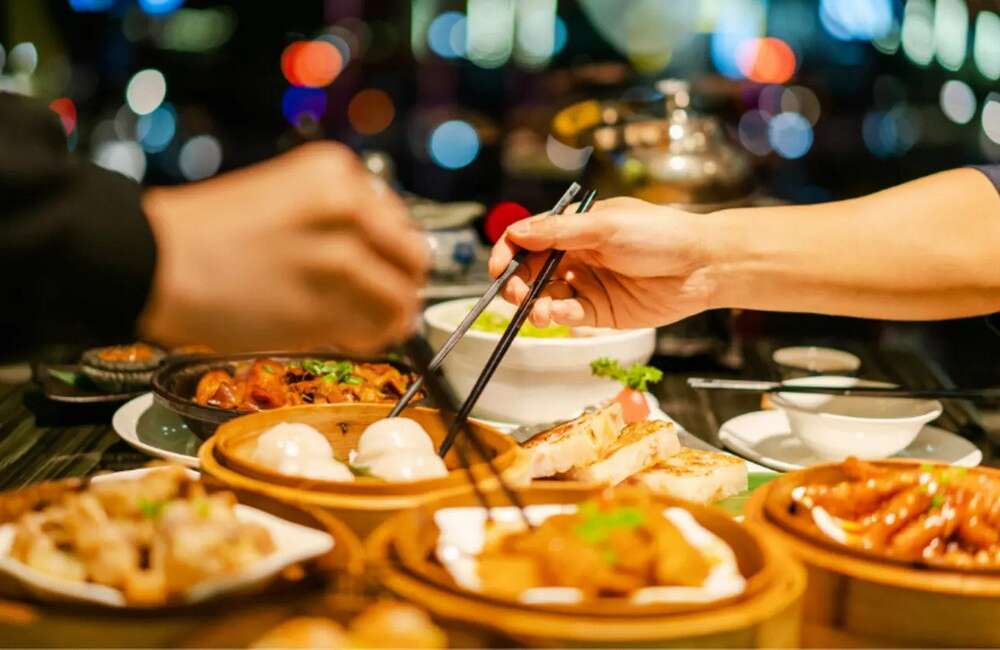
How to Equip an Asian Food Delivery Kitchen
A central kitchen can help operators handle high volumes of orders, but only if they're outfitted properly. Restaurant supply chain optimization can only take you so far.
Your needs may differ based on the exact type of Asian cuisine you're serving, but basic equipment should include:
Commercial Rice Cookers and Warmers
Rice is a staple in Asian dishes. Commercial cookers can handle large volumes of rice. Invest in a few to ensure you can meet demand and deliver consistent quality.
Along with cookers, you'll also want to invest in warmers to hold the rice at food-safe temperatures.
Steamers
Another essential piece of equipment you'll need to prepare Asian dishes is a steamer. Depending on how much volume you do, you may need to invest in several steamers.
They're essential for dumplings, buns, dim sum and vegetables.
Commercial Wok Ranges
For stir-frying at high heat, you'll need commercial wok ranges. They have distinct burner designs, with a raised ring of metal that holds the wok. The design directs burner heat onto and around the rounded base of the wok.
How Bulk Kitchens and Delivery Can Expand Asian Cuisine
Central kitchens are a great way to expand Asian cuisine.
- Demand is high year-round, so you always have an active customer base.
- Asian dishes like dumplings, ramen and pad Thai are very delivery-friendly.
- You can launch multiple brands or experiment with different dishes from a single central kitchen setup.
Of course, bulk production isn't without its challenges.
Complexity can still present difficulties, even with a central kitchen. If the menu is too large, production can slow and make your kitchen less efficient.
Maintaining freshness can be equally challenging. Quick turnover is essential to preserving the flavor and texture that make these dishes so memorable.
But perhaps the biggest challenge is ensuring your staff is properly trained to use authentic cooking techniques at scale.
The Takeaway
Bulk kitchens help restaurants meet the growing demand for Asian cuisine and overcome the common challenges that keep traditional kitchens from serving these dishes. They can be outfitted with the right equipment to deliver the quick turnaround and authentic flavor customers crave.
The key is to ensure that your staff is properly trained and dishes go out quickly to maintain their freshness.