
American diet guidelines have changed. Emphasizing high-quality protein, healthy fats, vegetables, fruits and whole grains, the new guidance aims to encourage Americans to focus on whole foods while cutting out highly processed meals.
For restaurants, this shift in guidelines presents an opportunity to attract health-conscious diners.
But it can also present challenges for some ethnic and niche restaurants. To understand the full impact of these guidelines, you need to understand how they’ve changed.
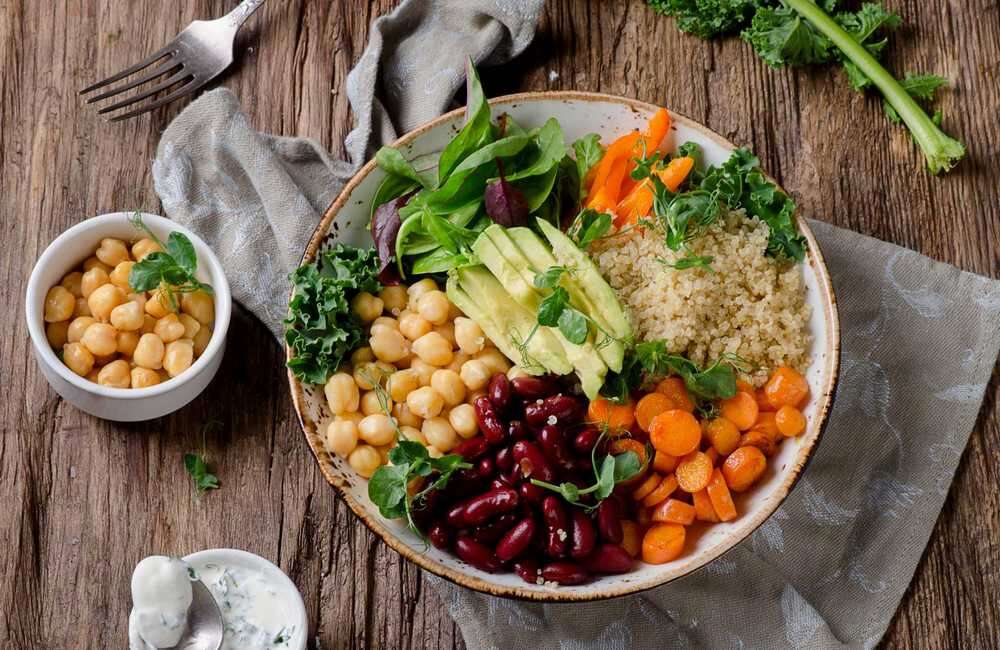
How the US Dietary Guidelines Have Changed
In January 2026, the Department of Agriculture (USDA) and the Department of Health and Human Services (HHS) released the new US Dietary Guidelines for Americans.
For the first time, the guidelines explicitly call for Americans to cut down on highly processed foods, sugar, artificial flavors, dyes and preservatives.
But it also adjusts dietary standards. For example:
- Protein: New guidance recommends 1.2-1.6 grams per kilogram of body weight, up from 0.8 grams.
- Fats: Encourages Americans to obtain fats from whole-food sources (like meat, olive oil or avocados) while keeping saturated fat under 10% of daily calories. It also recommends full-fat dairy and to cook with beef tallow or butter.
The new, heavy focus on protein and healthy fats gives the restaurant industry an opportunity to revamp menus and offerings.
But it also presents some challenges. The new guidelines essentially disregard other culinary traditions. Most Asian and many Mediterranean dishes are grain-and-vegetable-based with only small amounts of chicken, seafood or meat.
How US Dietary Guidelines Will Affect Restaurants
While the new dietary guidelines in USA won’t impact restaurants directly, the guidance will likely affect consumer attitudes. As consumer demands shift, restaurants will need to adapt to stay competitive and attract new customers.
We may see restaurants focusing on:
Nutritionally Dense Dishes
The guidance aims to deliver healthy eating advice to Americans, and the focus is mainly on consuming nutritionally dense dishes.
Restaurants may want to rethink their menus to align with this guidance.
Focus on:
- Whole, minimally processed foods
- Nutrient-dense proteins, like meats, legumes, dairy, eggs and seafood
- Vegetables
- Whole fruits
- Whole grains
You don’t necessarily need to change your entire menu. But you could adjust portion balance to favor protein and vegetables rather than refined starch.
Better yet, offer a variety of protein bases for dishes and allow customers to choose their preferred option. This gives more flexibility to your menu while preventing you from alienating some customers.
Less Sugar
With a call for reducing sugar intake, many restaurants may take it upon themselves to reformulate their desserts and other sweet offerings to reduce sugar.
For example, restaurants could offer:
- Fruit-forward desserts – berries with sweetened cream, roasted stone fruit with yogurt or grilled pineapple with spices.
- Dairy-based options, like panna cotta or ricotta-based desserts.
- Sorbets made primarily from fruit or lightly sweetened gelato.
- Dessert tasting plates with smaller portions.
More Protein and Fat Choices
The updated guidelines strongly emphasize higher protein intake, healthy fats and full-fat dairy.
That opens the door to new, creative dishes.
Using beef tallow to prepare some of your dishes, for example, could give you a competitive advantage. Focusing your marketing on these aspects of your menu (full-fat dairy, beef tallow, etc.) can attract more consumers.
You can either formulate your menu or adjust your current recipes to reflect the guidance on protein and fats.
More Non-Alcoholic Drink Options
New guidelines call for restricting alcohol limits, and statistics show that the non-alcohol market in the US is forecast to grow by 18% between 2024 and 2028.
Shifting consumer attitudes and dietary guidelines give restaurants an opportunity to start offering more non-alcoholic spirits and other beverages.
We may see more:
- House-made drinks, like unsweetened teas, mineral water, etc.
- Less reliance on fountain drinks
- Protein-forward beverages, like smoothies
Procurement and Supplier Pressure
Some restaurants may feel pressure to source higher-quality ingredients and rethink relationships with suppliers that rely heavily on ultra-processed foods.
Food costs may increase over the short term, but higher menu prices and a more streamlined menu could lead to higher profits over the long run.
Children’s Menus
Often, children’s menus are high in refined carbs, sugar and ultra-processed foods. Many restaurants will consider changing their kids' menus to reflect the new guidance and stand out from the competition by offering healthier options, like:
- Grilled proteins
- Fruits as desserts
- Fewer sugary drinks
Children’s menus are often overlooked, but this could be a high-impact area for restaurants wanting to attract more customers.
Menu Language
It’s not enough to just change your menu. You have to communicate these changes using the right language.
For example, you could describe your dishes as:
- Minimally processed
- House-made
- Real ingredients
- No added sugar (where true)
More consumers want transparency when it comes to ingredients. Changing your menu language could not only align your restaurant with the new dietary guidelines but also appeal to health-conscious consumers.
Labor & Training
Restaurants that want to focus on menus with whole foods will face a big challenge when it comes to labor and training.
After all, cooking with whole foods means:
- More prep work
- Different skill sets
- More training around consistency
Some restaurants may shift to simpler menus to overcome these challenges. Fewer dishes prepared well will elevate the quality of the menu while aligning with the new guidelines.
Specialized Options That Don’t Align with Guidelines
As some experts have pointed out, the new dietary guidelines are controversial in some areas, particularly when it comes to fats.
With this in mind, some restaurants may choose to take a different stance and go against the grain. These restaurants can cater to specific crowds that are often overlooked, like GLP-1 users. These users are often looking for smaller portions and less animal protein.
The Takeaway
The dietary guidelines released by the USDA and HHS are not meant to replace nutritionist advice, but rather, give Americans some guidance on how to eat a healthier, more balanced diet.
While this new guidance will certainly have some impact on restaurants (especially since it’s made such a wave in the media), the reality is that many diners leave nutrition guidelines at the door when they dine at restaurants.