
You may have experience running a restaurant, but that doesn't mean that you know how to run a bar successfully. If you follow the strategies below, you'll have an easier time:
- Creating the experience that customers prefer
- Branding yourself to cater to your ideal customers
- Adding additional sources of income that will boost your overall revenue
If you've ever run a business in the past, you'll find that these strategies have a lot of overlap with things that you've mastered to be successful.
How to Run a Successful Bar + 11 Bar Management Tips
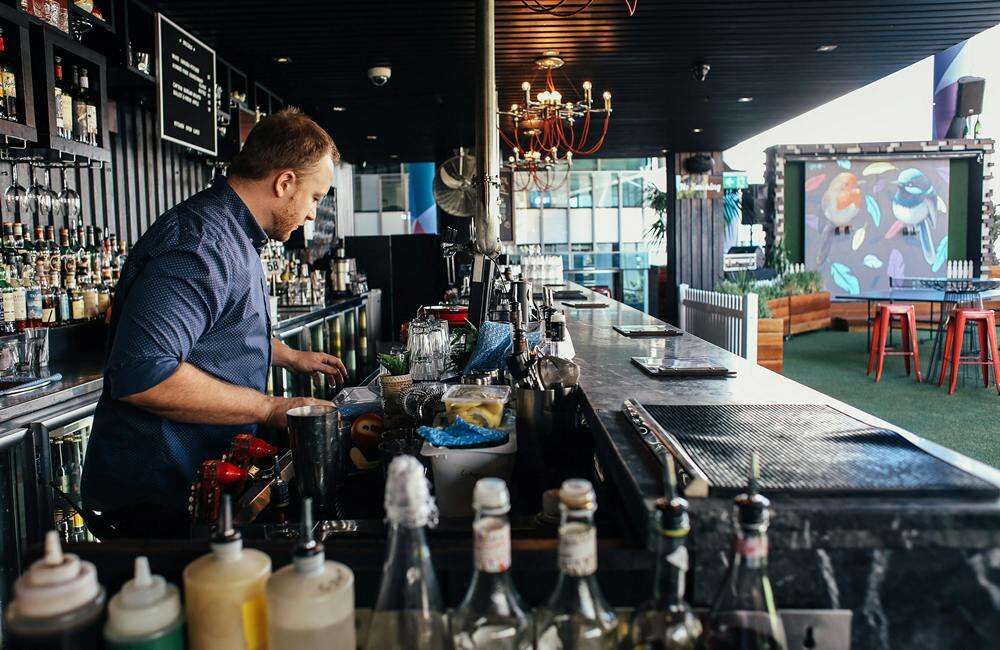
1. Focus on Customer Experience
Even if you know how much to open a bar and have a strong team behind you and a strong marketing funnel, you can still fail.
Why?
If the customer experience is not up to par, you'll have one-off customers, which costs a lot to obtain and doesn't provide long-term profits. You should work extensively on the customer experience, which means:
- Creating an atmosphere that people want to experience again and again
- Welcoming guests who walk in the door and trying to remember their name next time
- Training staff to make small talk and ensuring that every patron has the best experience possible
If you focus on the customer experience, you'll have an easier time making your bar a success.
2. Master Your Bar's Ambiance
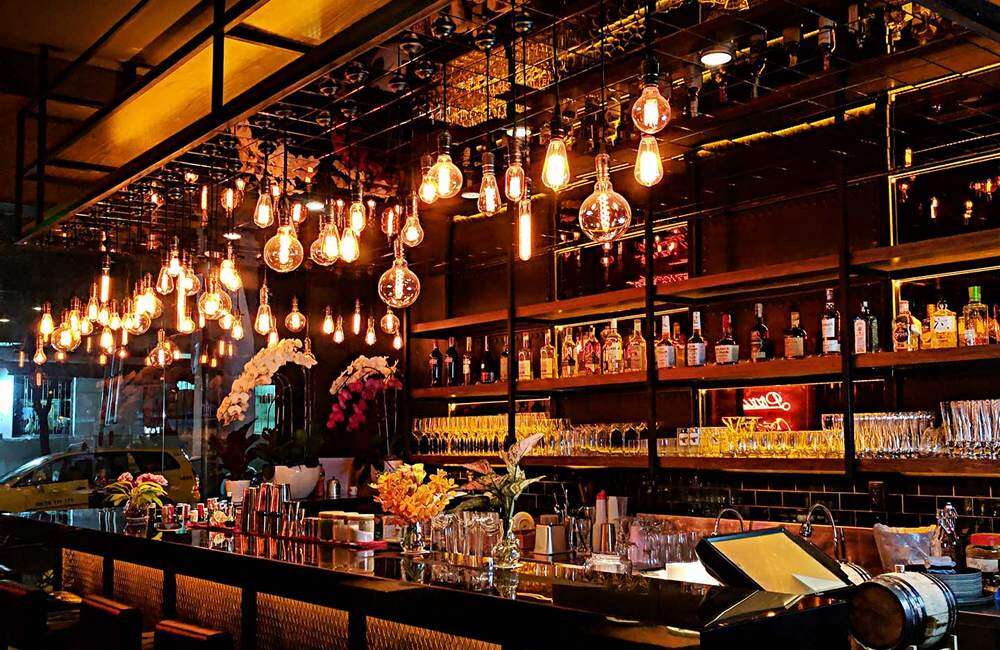
A bar's ambiance will change depending on the location and the type of customers you expect to visit the bar. You can add to the ambiance in a few ways:
- Create an internal theme
- Add in the right mix of music
- Focus on lighting
If you're in a tourist area, you may want to have musicians come into the bar to play. But if you have an older crowd, you can have throwback nights or even add a jukebox where people can pay to hear certain songs.
3. Revamp Your Menu
Bar management goes beyond merely serving drinks and hoping that people will order a $1,000 wine. You need to have a menu that fits the crowd that comes in every day, which may mean upscale guests, or it may mean partygoers who are looking for more affordable options.
You should revamp your menu to include drinks people want, which may include:
- Beers
- Cocktails
- Wines
- Etc.
Seasonal specials and unique drinks are always a good choice and may keep people coming back into your bar.
4. Branding and Digital Marketing
Bars that are a mainstay in the world's largest cities may not focus heavily on digital marketing and branding, but most will because they want to attract today's consumers. A few options that can help are:
- Build a loyalty program for your bar
- Offer online reservations
- Create a social media strategy
- Make a basic website with your menu and pricing
Logos, color schemes and a slogan across all brand assets can help with branding.
5. Track Your Inventory
If you want to make customers happy, you need to ensure your bar is stocked. Inventory management can help you avoid having to turn customers away or not being able to serve them what they want.
You can take this one step further by tracking customer drink preferences and the types of alcohol that are most in demand at your establishment.
Ensuring that your bar is always stocked with popular ingredients means that you'll always be able to deliver high-quality drinks customers love.
6. Monitor Your Profit Margins
Every bar should be monitoring its cost of goods sold and pour cost to maintain healthy profit margins.
Make sure that you're regularly analyzing the profitability of each menu item and adjusting your offerings or prices as needed.
And if you're offering the option to order online, make sure that you've enabled upselling recommendations to increase sales.
7. Consider Discount Nights
Running a bar can be challenging, especially on slow days. But offering a discount night on your slower days can help get more customers through your doors.
First, make sure that you can afford to offer a discount night. Second, make sure that your discount isn't too over-the-top.
8. Work on Your Signature Drinks
Does your bar have a signature drink? If not, it's time to work on that.
Many of your customers will order classic drinks and cocktails, but if you craft a drink that's uniquely yours, it gives patrons a reason to visit your bar instead of your competitors.
Plus, when you create your own exclusive cocktails, you can price them higher than traditional drinks to further boost your profit margin.
Make sure that you're sharing your signature drinks on social media, so customers know what you're offering and a reason to drop in.
9. Add Food - If You Haven't Already
Drinks may be your primary product, but there are so many reasons to consider adding food to your menu.
For starters, you'll attract more customers. Some patrons want a bite to eat with their drinks. Others may just stop in for the food alone.
Your food menu doesn't have to be extensive. Stick to things like appetizers and bar snacks.
Many bars create thematic menus based on specific ingredients, such as seasonal items. They rotate their menus regularly to keep things fresh and exciting.
10. Work on Your Local Social Media
Everyone is on social media, and that includes your customers. Leverage networks like Facebook, Instagram and Twitter to connect to your local customer base and entice them to stop in.
Use your social media accounts to:
- Photos and videos that show off your bar and its atmosphere
- Discounts and special promotions to give locals even more of a reason to stop in
11. Become a Tech-Savvy Establishment
Technology can help streamline and optimize your operations to meet customer demand and save time on administrative tasks.
While your tech stack should meet your bar's individual needs, there are solutions that benefit every establishment, including:
- POS system for easy payment and inventory management
- Mobile app for ordering and customer loyalty programs
- Online ordering system to offer more options to customers
Closing Thoughts
Running a successful bar is no easy feat, but with time and persistence, you'll find strategies that work for your establishment.
Use the guide above to learn how to run a successful bar, and remember to continually adjust your strategies to meet customer demands.