
Food presentation adds a new layer of professionalism to restaurants. Patrons go out to eat for delicious food, but they’re also chasing an experience that they can share with others. For example, it’s not uncommon to see guests snapping a photo of the plate presentation to share on Instagram or TikTok.
If you’re just opening your doors, you may be wondering: What is food presentation?
It’s how your chef presents the food on the plate. For example, if you place all of the fruits and veggies in the middle of a plate, it will be less appealing than following the clock method of plating, which requires you to arrange the food in a clock-like pattern.
Below, we’re going to share the top food presentation ideas going into the rest of 2026 that will make your space Insta-worthy.
2026’s Top Plating Ideas and Techniques for Restaurants
Start with Visual Balance
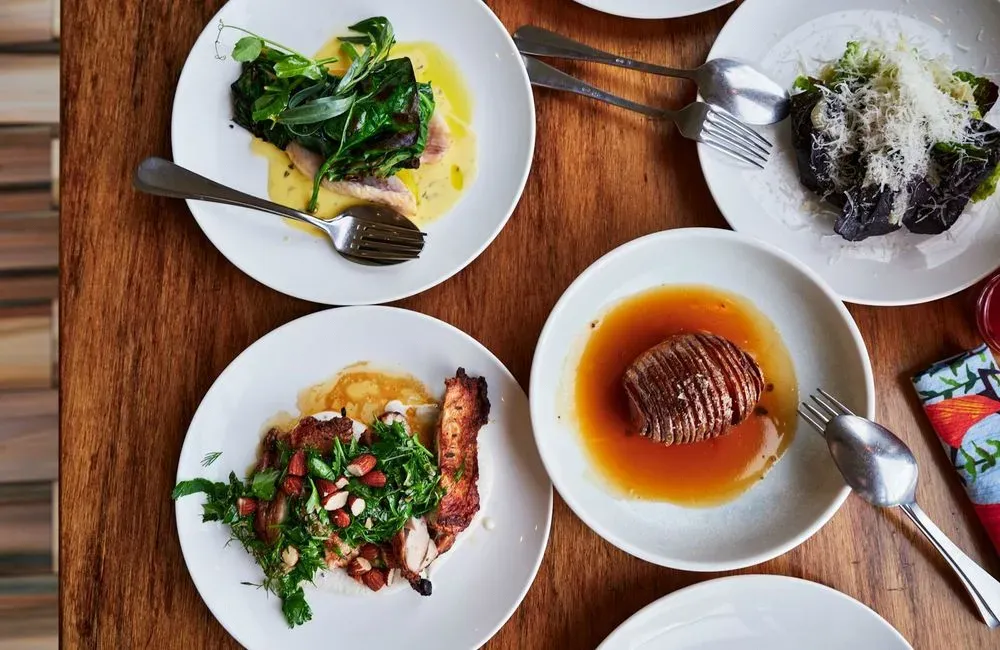
Balance is everything on your plate. If one section is overflowing with food and the other is empty, it has a negative visual impact on the viewer. Your goal is to focus on visual balance that uses empty space and the right tools.
One way to add balance is to:
- Create a focal point for your dish
- Group in odd numbers, such as 3 or 5 veggies together
But aside from these basics, you can also go into one of the most popular methods of creating balance.
The Clock Method Plating
Often called simply the “Clock Method,” this is one of the gold standards in the industry. Here’s the general idea:
Imagine the plate is a clock with 12 hour hands.
- 12-3 : Add your vegetables
- 3-9 : Add your proteins
- 9-12 : Add your carbs and starches
You’ll find the latest plating trends contesting the clock method because they focus more on free form . But just because some restaurants opt for free form doesn’t mean that this time-tested method is obsolete by any means.
Adding balance using the clock recommendations above helps you strike the perfect balance on your plate and is what 90% of restaurants should focus on.
Add Visual Height
If you’re thinking of space only in a horizontal space, you’re missing out on ways to increase your presentation. Vertical height is a fun way to make your presentation really “pop,” and this can be done in many ways:
- Create a foundation of grains or other items that make a stable base
- Stack your proteins on top
- Add your greens on top of the protein
Assume that you have a rice base, you’ll then add chicken on top of the rice followed by colorful vegetables to give it height.
Visual height like this is appealing to the eye and fills in the empty space. Want to go a step further? Add a garnish on top to provide a splash of additional contrast to your plating presentation.
Splashes of Color and Texture
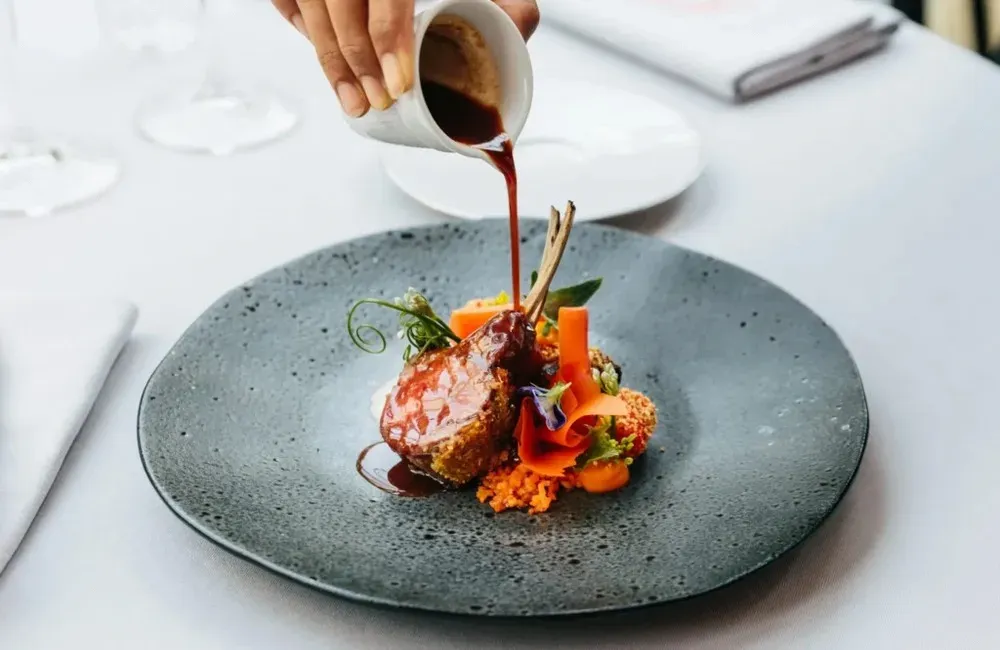
Visual appeal will always attract a person’s attention and is something everyone trying to create a stunning presentation ought to add. Imagine a plate with foods of the same color, such as brown - it looks boring.
But once you add green beans on top and some carrots, the colors start to pop and create a visual focal point on your plate.
Adding in contrasting colors is the first step in this plating concept. Texture should also be considered and can include:
- Creamy
- Crunchy
- Soft
Confused? Imagine a plate with seared scallops that are firm and caramelized. You might want to top it with a creamy item, such as pureed parsnips and then add crunchy crumbles with the help of pancetta.
First, think of the base dish you’re creating and then find ingredients that add to the dish’s visual appeal and taste.
Pro Tip : Never sacrifice food quality or taste for the sole purpose of plating. Food quality must also be your top priority.
Landscape Plating
Creative and fun, the landscape plating technique arranges ingredients linearly. Create a story with your ingredients, which takes time to visualize but is a lot of fun. For example, you can arrange ingredients in such a way that it shows seasonal changes of the ingredients.
Free Form Plating
Chefs who have artistic talent are leaning heavily into free form plating, where no two plates are the same. The idea is simple:
- Chefs arrange food spontaneously
- Plating remains highly unpredictable
- Artistic precision takes precedence over standards
If you have a chef on board who has an interest in plating, they can use free form to create truly edible art. But if your chef isn’t on the artistic side and has no interest in this method, you may be better off with the landscape or clock methods above.
You can also create advanced plating techniques, but you’ll need tools for this level of precision.
Food Presentation Requires the Right Plating Tools
Plating requires precision, especially when you’re trying to top a plate with a small garnish. Stock up on these tools to help improve your presentation:
- Plating tweezers are a popular choice among chefs because they allow for precision placement and the ability to position delicate garnishes that are very challenging with your hands alone.
- Squeeze bottles are a nice addition to your plating and are a great choice for elegant designs, especially for sauces.
- Molds are also a common choice in the industry, such as ring molds. High-end eateries use these molds to shape food elements on the plate.
- Spoons are particularly important and allow you to shape ice cream and mousses in ways that other utensils do not.
If you have the right tools on hand, you’ll be able to follow more advanced plating techniques that make dining fun and exciting for your guests.
Food presentation ideas are just one of the many ways for your restaurant to stand out from a sea of competition. Start with a food plating drawing and expand your concepts over time to make your dishes look as good as they taste.
But remember, all of the plating in the world doesn’t make up for poor quality food. Delicious recipes mixed with the right plating create an experience that has guests coming back for more.