
What will restaurant design look like in 2026? Staying ahead of trends helps eateries:
- Create an atmosphere that guests want to come back to over and over again.
- Funnel more people into your interior rather than ordering online.
- Cater to annual changes in customer behavior.
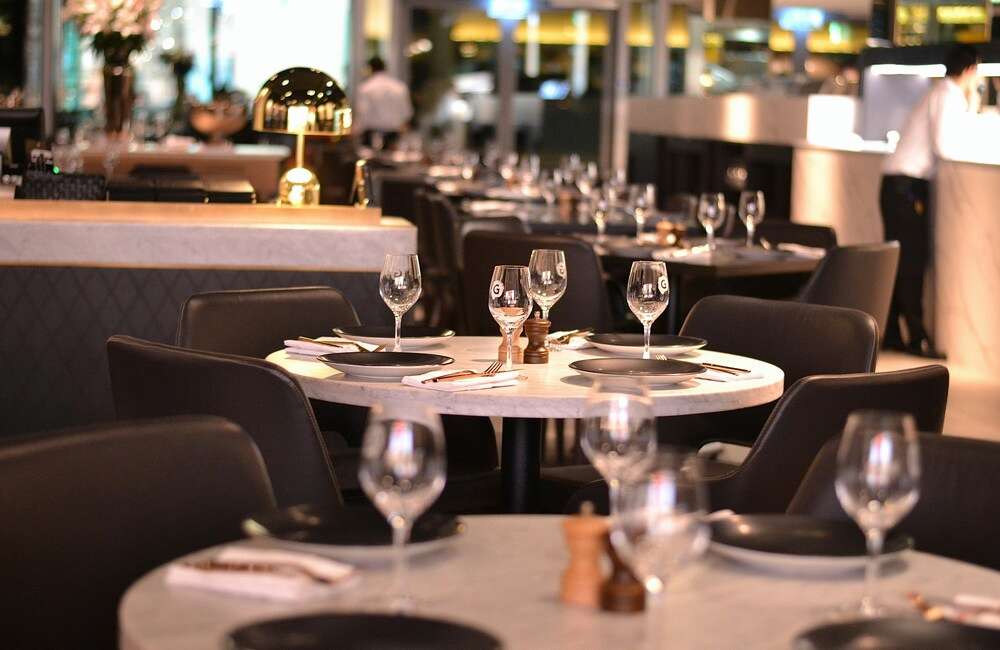
In 2026, it’s time to push back against the 46% of consumers who prefer ordering out by changing up your restaurant decor to one that is inviting and causes people to get out of their house.
Of course, your food also needs to be delicious, but you can focus on these design trends that you can implement without the need to hire restaurant interior decorators.
Consumers Want Convenience
Your patrons will continue ordering online, but you can sway many of them back into your restaurant with a focus on convenience. Customers want a streamlined experience, which includes:
- Pickup counters for anyone ordering “pick-up”
- Fast seating options for people dining in
- Separating your dine-in and takeout operations
Restaurants will still have people who order takeout, but this trend shouldn’t have a negative impact on the dining-in crowd. Imagine working with an interior designer for a cafe where you make a clear separation between the location for waiting to be seated and picking up food.
Signage helps a lot here.
You want your dining-in crowd to know where to go the moment they walk in the door. For those who are ordering or picking up takeout, you want the experience to also feel special. You can place drink machines here and take-and-bake options, too.
Focus on the takeout crowd’s experience. Hot food. Friendly staff. A comfortable space to sit and wait. You should also include your own branding on take-out bags with your logo and alternative options to dine in and order.
Restaurants should offer an ordering option that moves away from third-party apps that eat into profit margins.
Create an Experience That Keeps People Coming Back
Restaurant interior design is shifting towards experience . You want everything to be an experience:
- Seating and waitstaff interactions
- Lighting and ambiance
- Music
If you operate in a strong cultural area, own it with an eatery interior design that attracts locals. For example, if you operate in Little Italy in Lower Manhattan, you might want to consider:
- Sections of your restaurant that bring people to different major cities of Italy, such as Rome, Milan, Florence or similar.
- Italian music and soft lights make the experience feel romantic and upbeat at the same time.
- Artwork and exposed bricks on the wall, which resemble many of the restaurants in Italy.
Your restaurant needs an identity that connects with locals and keeps them coming back. Use your space strategically to create a look and feel that makes your guests feel something .
Italy is just an example and can be swapped out for cuisine from anywhere in the world.
Interiors can, and should, tell stories that get people talking. From the flooring to artwork and furniture, everything needs a purpose. If you are focusing on a bars design, your interior will be completely different.
You may have live music, weekly games and themes, and other decorative choices that keep people coming back for the experience (and drinks).
Add in Chef-Driven Experience
Chef experiences are all the rage. You want to connect with your guests on a deeper level, and it doesn’t get much better than making the chef a part of the experience. You have a lot of options to choose from:
- Eliminate barriers so that your guests can see the chef making their food.
- Invite guest chefs to cook at your restaurant to offer a rotating menu.
- Ask head chefs to go on the floor and ask some diners how they liked their food.
You need the right chef to pull off experiences like these. For example, if your chef is shy and doesn’t want to talk to patrons, you can nix this idea. But making the chef a part of the experience, even if it is just the ability for guests to see a real chef in action, will make a world of difference for your space’s ambiance.
Chefs bring spaces to life, so try to give customers “access” to them in some way.
Focus on the Longevity & Agility of Your Staff
People go out to eat at familiar places. Decor plays a major role in why people come in to eat, it’s true. Maybe your diner has a coffee cafe decoration that has people buzzing on social media and brings people in the door.
But people also come in again and again because:
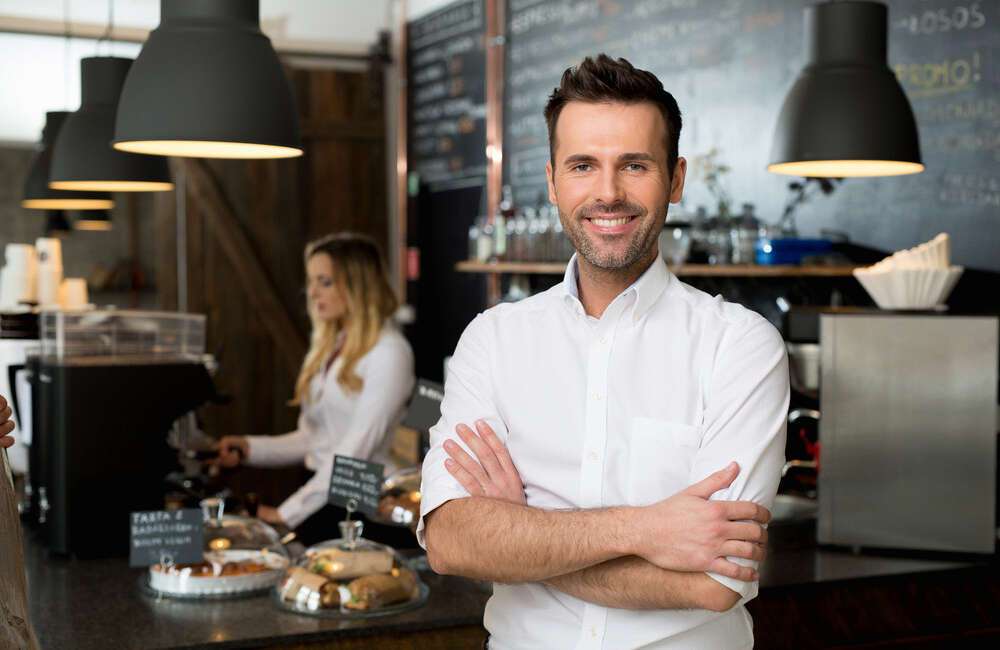
- A staff member has been working on the register for years and knows everyone’s name.
- Waitstaff greet them with a smile on their faces and make them feel at home.
- The food is something worth going out to eat and is not easy to recreate at home.
One major issue this year is that labor shortages and economic pressure are influencing interior design. Owners will want to do everything in their power to keep great staff members in their positions while creating a modular space that can adapt to any situation.
For example, you may opt for furniture that’s easy to move and arrange in such a way that you can host parties.
When choosing your decor, focus on elements that are timeless .
Trendy decor items are fine in moderation, but once the trend is over, you’ll scramble to replace these pieces. Timeless decor can still tell a story and keep guests coming back to a space that feels familiar.
The Takeaway
Restaurant design helps tell your eatery’s story to your guests. When they sit down to eat, you want them to have more than just memories of the food. Your restaurant should provide auditory and visual experiences that:
- Cause guests to come back to experience them again
- Lead to patrons recommending your eatery to others
But when integrating these recommendations into your restaurant, be sure to do them incrementally. If you make too many changes too fast, you risk alienating some guests who love your space the way it is already.