
While guests come to enjoy a stress-free meal, restaurant staff often face daily safety risks. From slips and burns to more serious injuries, even minor oversights can harm employees and damage your business's reputation. The good news? Improving workplace safety doesn't always mean major overhauls. Sometimes, the smallest changes make the biggest difference. Here are 10 simple but essential steps to help reduce accidents and create a safer restaurant environment.
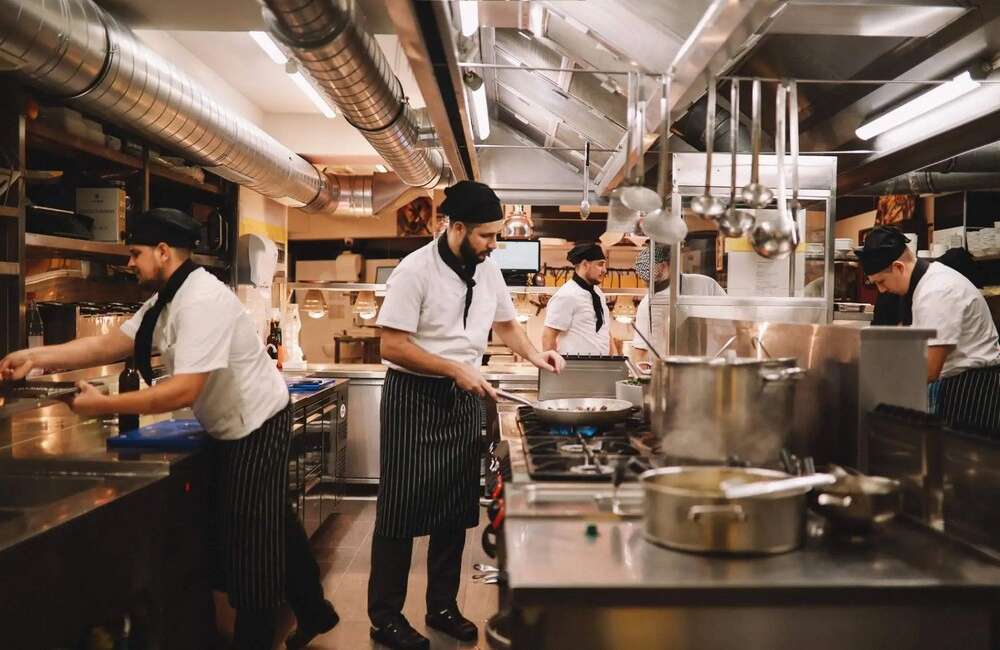
1. Teach Safe Lifting Habits to Protect Your Restaurant Team
In busy restaurant settings, employees often move bulky supplies and equipment, which puts them at risk for serious back injuries if done improperly. To reduce strain and prevent long-term harm, it's essential to train your team on safe lifting practices. Focus on techniques like bending with the knees-not the back-keeping loads close to the body, using lifting tools when possible, and avoiding sudden twists. Teaching staff to recognize their limits and lift mindfully can make a big difference in long-term safety.
2. Make Employee Wellness a Key Part of Restaurant Safety
Ensuring a safe and productive workplace means taking care of your employees' overall health. Establish wellness initiatives that support both physical and mental well-being. These might involve routine health assessments, ergonomic reviews to avoid strain or injury, and casual conversations to monitor stress and prevent burnout. Detecting health issues early can help lower accident rates, keep turnover down, and save costs in the long run.
3. Keep Your Restaurant Fire Safety Gear Inspected and Up to Date
Reliable fire safety equipment is essential to protect your restaurant and ensure its long-term operation. Finding out that extinguishers are expired or sprinklers malfunction during an emergency can have disastrous results. To prevent this, establish a regular inspection routine:
- Conduct monthly visual checks of extinguishers and alarms.
- Perform quarterly tests on alarms and sprinkler systems.
- Arrange yearly thorough inspections by certified experts.
Staying proactive not only safeguards your staff, guests, and property but also keeps you compliant with fire safety laws.
4. Use Anti-Fatigue Mats to Ease Staff Fatigue
Working long shifts standing on hard floors, restaurant staff face hazards like sharp tools, hot equipment, and slippery surfaces. Tired muscles and aching feet raise the chance of slips, falls, and back pain. Placing anti-fatigue mats in busy spots such as kitchens and service counters can help ease this strain. Made from materials like rubber or vinyl, these mats cushion each step, reduce foot discomfort, and boost alertness, ultimately lowering injury risks for employees.
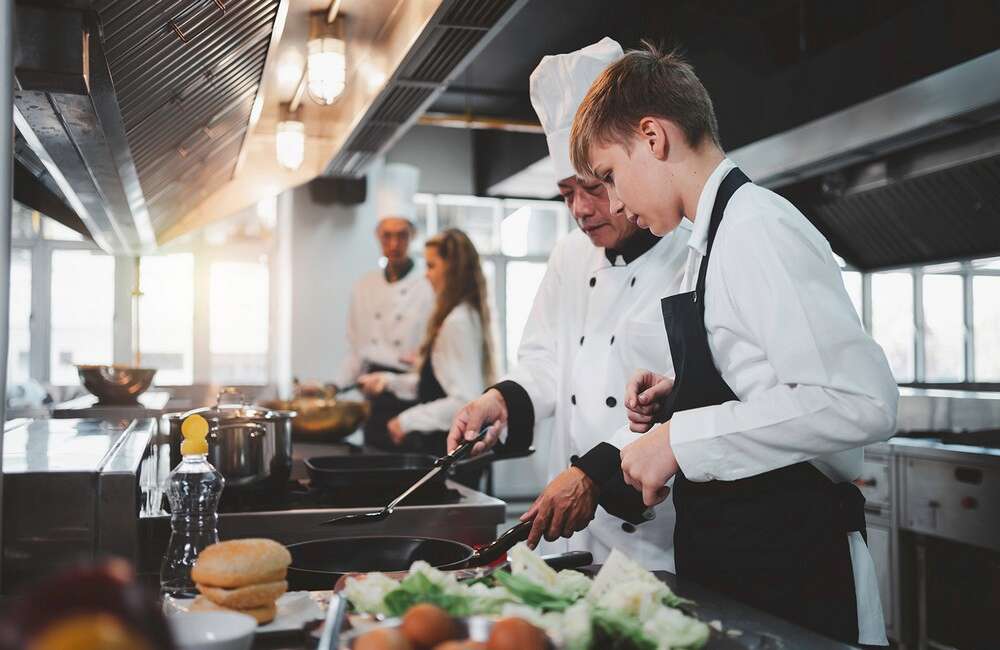
5. Schedule Routine Electrical Inspections to Avoid Fires
Faulty or worn electrical wiring can lead to severe dangers such as fires, equipment failures, electric shocks, and expensive power disruptions. To keep your restaurant safe, arrange for licensed electricians to perform routine inspections. These checks should cover outlets, cables, internal wiring, and electrical panels. Promptly repair or replace any damaged parts like plugs, cords, or switches to minimize risks and maintain a secure environment.
6. Mark Hot Surfaces Clearly to Prevent Burn Injuries
In the rush of busy service, staff can easily overlook which surfaces are hot, increasing the risk of burn injuries. To prevent accidents, clearly mark all heat sources and equipment, including steam tables, grills, ovens, fryers, and flat-tops. Don't forget to label hot pipes as well, alerting both employees and customers to potential burn dangers.
7. Enhance Your Restaurant Security with RFID Keyless Lock Systems
RFID keyless locking systems provide a contemporary and reliable way to manage entry to restricted areas like kitchens, storage spaces, and cash registers in your restaurant. These systems offer:
- Easy, hassle-free access for authorized staff.
- Greater protection than standard keys.
- The option to instantly disable lost or stolen key cards, blocking unauthorized entry.
- Encrypted codes that prevent duplication and boost security.
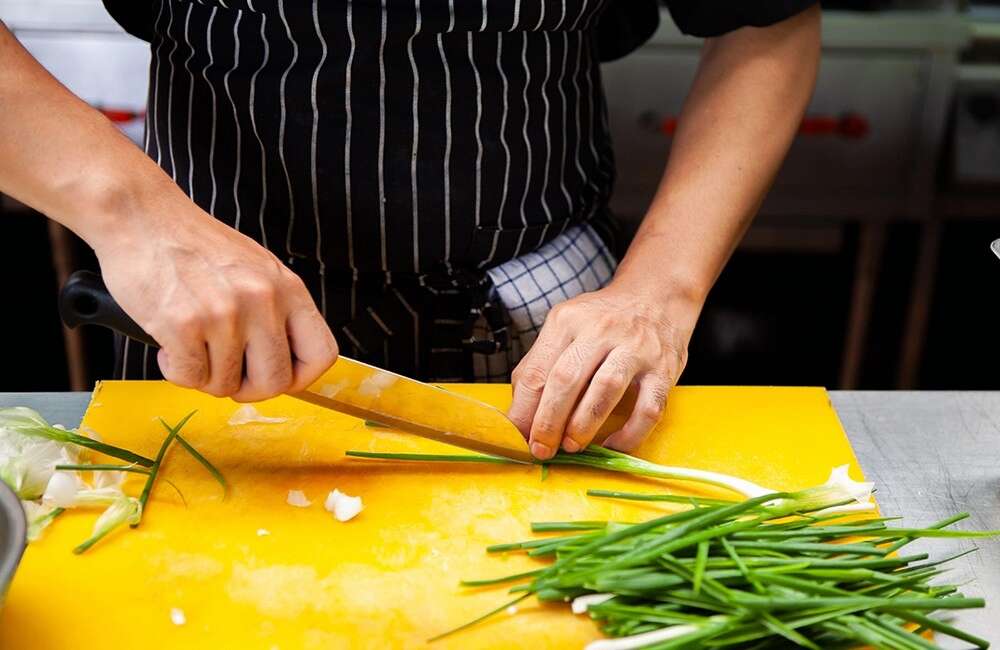
8. Ensure Consistent Safety Training for Every Restaurant Employee
A safe workplace depends on a well-trained, safety-aware team. Invest in comprehensive restaurant safety training covering:
- Food safety and handling
- Fire prevention and evacuation
- Sanitation protocols
- Proper equipment use and maintenance
- Hands-on practice
- Regular assessments to reinforce learning
- Identifying security risks and emergency response
Ongoing training keeps your staff updated and strengthens a culture of safety.
9. Keep Your Restaurant Equipped with Fully Stocked First-Aid Kits
Minor injuries such as cuts, scrapes, and burns are a regular part of the fast-paced restaurant environment, which is why maintaining accessible and properly stocked first-aid kits is a must. These kits should contain essential medical supplies that can address everyday incidents quickly and effectively. Position them in high-traffic and high-risk areas like the kitchen, employee breakroom, and front-of-house stations to ensure they're easy to reach when needed. It's also important to routinely inspect the contents and replace any used or expired items to ensure you're always prepared to respond to injuries without delay.
10. Keep Your Restaurant's HVAC System in Check
A well-functioning HVAC system is essential for maintaining a comfortable, safe, and healthy environment in your restaurant. It regulates airflow, manages indoor temperatures, and ensures good air quality for both staff and guests. When neglected, HVAC units can contribute to poor ventilation, bad odors, and even health risks like mold buildup. Consistent maintenance helps avoid these issues by catching problems early, improving efficiency, and extending the life of your equipment. It also helps prevent unexpected breakdowns and reduces fire hazards caused by accumulated dust and debris.
Conclusion
Boosting restaurant safety takes consistent, proactive effort. Simple, often-missed steps can go a long way in protecting your staff and guests while helping you avoid accidents, injuries, and legal issues. Prioritizing a safe environment supports a stronger, more sustainable business.