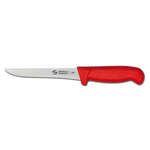
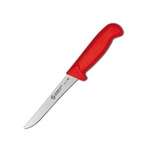
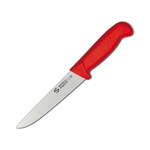
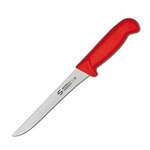
Showing 1 to 6 of 6 total

Mon-Fri: 7:00am - 6:00pm Sat: 8.00 am - 2.00 pm
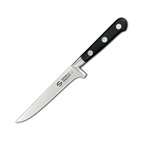
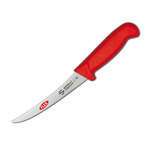
When it comes to learning the art of meat preparation, every chef, professional or novice, should have a boning knife in their culinary arsenal. Today, we will dig into boning blades, analyzing their relevance in culinary artistry and offering tips on choosing, using, maintaining, and using these expert meat-cutting tools creatively.
Boning knives exist in various forms and sizes, each designed for a particular meat-cutting duty. Here are a few examples:
Boning Knife for Butchers
The butcher boning knife is a robust and multipurpose instrument for severing vast chunks of meat. Its larger blade and sturdy design make it perfect for trimming and sectioning.
Boning Knife for Chicken
Chicken boning knife are more elegant and compact. They are ideal for deboning birds since they allow for more accuracy and efficiency while dealing with chicken, turkey, or other fowl.
Professional Meat Cutting Knives
Chef boning knives achieve an ideal blend of flexibility and accuracy. They are suitable for various meat-cutting activities and are preferred by chefs because of their ergonomic designs and sharp blades.
To create precise cuts with a professional boning knife, do the following steps:
Grasp and Stance: Use a solid, comfortable hold on the knife. Maintain a steady posture and guide the meat with your free hand.
Angle and Blade Direction: Bend the blade of the knife to follow the curves of the meat. Smoothly move the blade along the bone, making controlled slices.
Patience and finesse: Be patient and utilize finesse. When it comes to meat processing, precision is more crucial than speed.
Follow these maintenance steps to maintain your deboning knife in good condition:
Regular Honing: Using a honing rod to straighten the knife's edge before use. It aids in the preservation of sharpness
Sharpening: To maintain a razor-sharp edge, sharpen the blade regularly using a whetstone or knife sharpener.
Cleaning: Hand wash your professional chef boning knife in warm water with mild soap. Dishwashers should be avoided since powerful detergents and high heat might harm the blade.
A boning knife is a valuable and necessary culinary tool for meat preparation. It guarantees that you get the most out of your meat cuts and helps you be precise and delicate in your culinary endeavors. You may take your cuisine to a new level of brilliance by selecting the correct boning knife, learning its usage, and properly maintaining it. Don't underestimate the power of a fine boning knife — it's the secret to turning any meat-cutting operation into a work of art.